Wood can make a kitchen feel warmer, calmer, and more connected to nature without sacrificing modern style. From pale oak cabinets and rich walnut accents to exposed beams, timber islands, and natural wood accessories, there are countless ways to introduce this versatile material. These wood kitchen ideas combine practical details, contrasting textures, and timeless finishes for a welcoming kitchen.
1. Choose Pale Oak Kitchen Cabinets
This article contains affiliate links. As an Amazon Associate, I may earn from qualifying purchases at no extra cost to you.

Pale oak kitchen cabinets can brighten a room while adding the warmth of natural timber.
The light grain works especially well in contemporary and Scandinavian-inspired kitchens, but it can also soften a more traditional space. Pair pale oak with white stone countertops, warm metal hardware, or soft neutral walls for an airy appearance.
If you want the wood to remain the focal point, keep the surrounding finishes relatively simple. A matte surface allows the natural grain to provide most of the visual interest.
2. Add Rich Walnut Kitchen Accents
For a deeper, more dramatic look, introduce rich walnut kitchen accents.
Walnut works beautifully on an island, pantry doors, open shelving, or a section of cabinetry. Its darker grain can create contrast against cream or pale cabinetry without making the entire kitchen feel heavy.
A combination of light oak and walnut is particularly effective. Use the lighter timber for most of the cabinetry and reserve walnut for one architectural or furniture-like feature.

3. Create a Dual-Tone Timber Kitchen
A dual-tone timber kitchen allows you to combine different wood colors without making the room feel monotonous.
Try pale oak cabinetry with walnut lower units, a walnut island against lighter cabinets, or natural wood combined with painted cabinetry.
Keep the number of finishes controlled. Two complementary timber tones usually create enough contrast without overwhelming the space.
This approach is also useful when you want a modern kitchen to retain a natural, handcrafted character.
4. Choose Cabinets With Visible Wood Grain
If you want your kitchen to feel genuinely natural, don’t hide the character of the material.
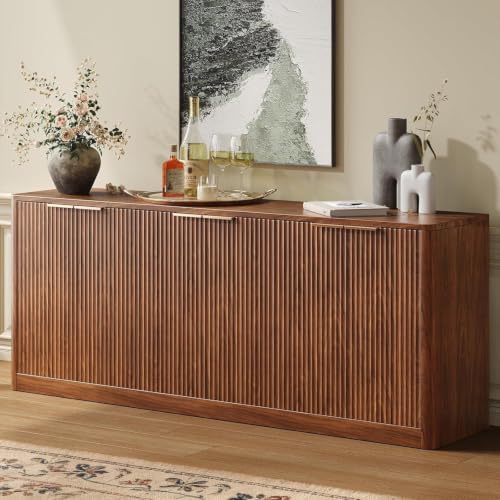
Textured wood grain cabinets highlight knots, variation, and the natural movement of timber. A lightly brushed or matte finish can make the cabinetry feel tactile rather than overly polished.
For a natural timber kitchen design, consider repeating the grain direction consistently across cabinet doors. This small detail creates a more intentional appearance.
Pair textured fronts with smooth stone or metal surfaces to create contrast.
5. Build a Warm Wood Kitchen Island
The island is one of the easiest places to introduce timber.
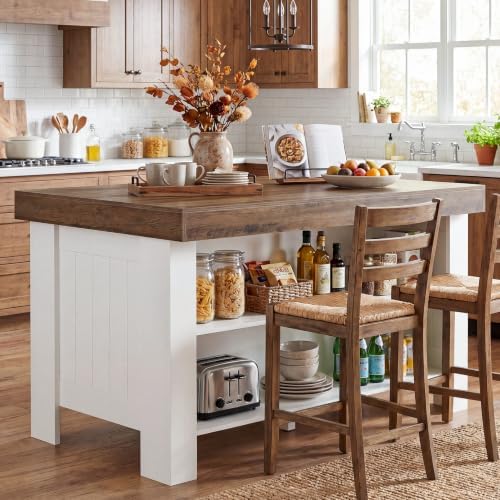
A substantial wood island can become the visual anchor of the kitchen while providing preparation space, storage, and seating. Consider rounded timber edges on a kitchen island if you want a softer, more furniture-like silhouette.
You can also use a contrast worktop kitchen island, combining a timber base with quartz, stone, or another durable countertop material.
The mixture of materials creates a modern rustic wood kitchen that feels warm rather than overly traditional.

6. Combine Stone Worktops With Wood Cabinets
Wood and stone naturally complement one another.
Stone worktops with wood cabinets create a balance between organic warmth and durable, hard-working surfaces. Choose a pale stone for a lighter room or a more dramatic surface when you want stronger contrast.
For an elegant wood kitchen, avoid matching every surface. The beauty comes from allowing the different materials to remain visually distinct.
Repeat the stone or wood somewhere else—perhaps in a backsplash, shelf, or nearby furniture—to connect the design.
7. Add a Wooden Range Hood Cover
A range hood doesn’t have to look purely functional.
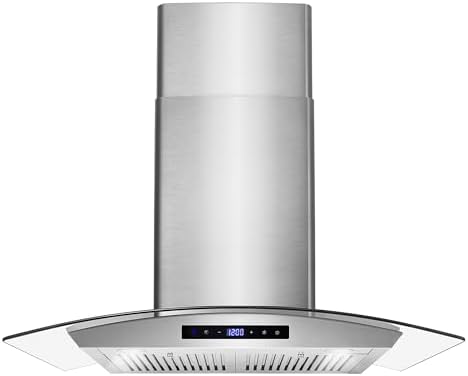
A timber ventilation hood cover can turn the cooking area into an architectural focal point. Use cabinetry-grade wood for a refined appearance or a reclaimed finish for a more rustic kitchen.
A reclaimed timber range hood works especially well with farmhouse cabinetry, natural stone, and aged metal.
Keep the hood’s shape relatively simple if the wood has a strong grain. This lets the material provide character without making the cooking wall feel busy.
8. Install Timber Kitchen Flooring
Flooring can reinforce the warmth of wooden cabinetry.
Timber kitchen flooring creates a continuous natural foundation beneath cabinets and furniture. For a classic appearance, consider natural oak structured hardwood flooring with visible grain and subtle variation.
If you prefer a more rustic look, countryside timber floor strips or wide rustic wood planks can provide additional character.
Choose a durable finish appropriate for kitchen traffic and clean spills promptly to help protect the surface.
9. Add Exposed Timber Ceiling Beams
Look upward when planning a warm wood kitchen design.
Exposed wood beams can add architectural character and make a kitchen feel connected to an older home or countryside setting.
For a more substantial rustic appearance, use reclaimed timber ceiling beams with visible imperfections. In a newer home, cleaner beams can provide a similar effect without making the room feel overly rustic.
Balance heavy ceiling elements with lighter cabinetry or walls so the kitchen remains visually comfortable.
10. Use Grooved Timber Ceiling Panels
If full beams feel too dramatic, try timber on a larger section of the ceiling.
Timber ceiling panels or grooved timber planks can introduce warmth while creating subtle architectural rhythm. Pale wood keeps the effect light, while pine timber ceiling panels can give the room a relaxed country character.
Use this treatment over an island or dining zone rather than necessarily covering the entire ceiling.
Repeating the same timber tone in cabinetry or shelving can make the ceiling feel integrated with the rest of the kitchen.
11. Create a Timber Panel Backsplash
Wood doesn’t have to be limited to cabinets and flooring.
A timber panel backsplash can create a warm focal point behind a sink, island, or preparation area. For areas exposed to moisture, choose an appropriately sealed or water-resistant timber backsplash material.
You can also use reclaimed timber wall panels when creating a rustic feature wall away from direct water exposure.
For a more contemporary look, select narrow vertical or horizontal panels with clean, consistent spacing.
12. Add a Timber Panel Room Divider
Open-plan homes sometimes need subtle separation without closing off the kitchen.
A timber panel room divider can distinguish the kitchen from a dining or living area while allowing light to pass through.
Vertical slats or open timber panels create a lighter effect than a solid wall. They also reinforce a wood kitchen inspiration theme without requiring additional cabinetry.
Keep the divider’s finish close to one of the kitchen’s existing timber tones so it feels like part of the overall design.
13. Mix Simple Hardware With Natural Timber
Hardware can completely change the character of wood cabinetry.
For a contemporary kitchen, try clean-lined metal drawer handles or simple black unit pulls. For a warmer, more traditional appearance, modern brass unit pulls can complement golden oak and deeper walnut beautifully.
Don’t overlook scale. Hardware that is too small can disappear against large cabinet doors, while oversized handles may compete with a strong wood grain.
Choose one main finish and repeat it throughout the kitchen for consistency.
14. Style Open Shelves With Rustic Pieces
Open shelving provides a natural place to display the smaller details that make a kitchen feel personal.
Use countryside ornaments for open shelving, pottery pitchers, clay pots, ceramic bowls, cookbooks, and wooden serving pieces.
A pottery pitcher and clay pots display looks particularly natural against timber shelves. Avoid filling every inch; leaving some visible shelf space makes the arrangement feel relaxed.
You can also display a timber chopping board collection by leaning several boards against the backsplash.
15. Finish With Natural Timber Accessories
Small wooden accessories can reinforce the material theme without requiring a renovation.
Try a timber utensil holder, serving platter, cutting board, wooden bowls, trays, or other natural timber kitchen accessories.
If the kitchen already contains plenty of wood, choose accessories with slightly different textures rather than adding more of exactly the same finish.
For a more decorative detail, introduce geometric timber shapes through a small mosaic, cutting board design, or subtle wood inlay.
These finishing touches make the kitchen feel cohesive while remaining practical.
How to Create an Elegant Wood Kitchen
The key to a successful wood kitchen is variety. Using the same timber finish on every surface can make the room feel flat, while too many unrelated woods can become visually distracting.
Start with one dominant timber, then introduce a second wood tone only where you want contrast. Balance the warmth with stone, metal, glass, or painted surfaces.
For a modern rustic wood kitchen, natural grain cabinetry can sit comfortably beside simple black hardware and stone worktops. For a more refined look, combine pale oak with brass and smooth countertops.
The goal is to let wood provide warmth without allowing it to overwhelm the entire room.
Final Thoughts
A natural wood kitchen can be rustic, modern, elegant, or somewhere comfortably between the three. The right combination of cabinetry, flooring, ceiling details, countertops, hardware, and accessories determines the final character.
Whether you prefer pale oak, rich walnut, reclaimed timber, or a combination of finishes, focus on texture and balance. Let the natural material become part of the kitchen’s architecture while keeping the room practical for everyday cooking and gathering.