A cozy traditional living room should feel like a place you want to spend time in, not a room where you’re afraid to move the cushions. The most inviting spaces usually mix comfortable furniture with warm wood, soft fabrics, gentle lighting, and a few pieces that feel collected over time. Whether your style leans classic, vintage-inspired, or relaxed traditional, these ideas can help you create a timeless living room that still feels personal and comfortable.
1. Choose a Comfortable Sofa as Your Starting Point
This article contains affiliate links. As an Amazon Associate, I may earn from qualifying purchases at no extra cost to you
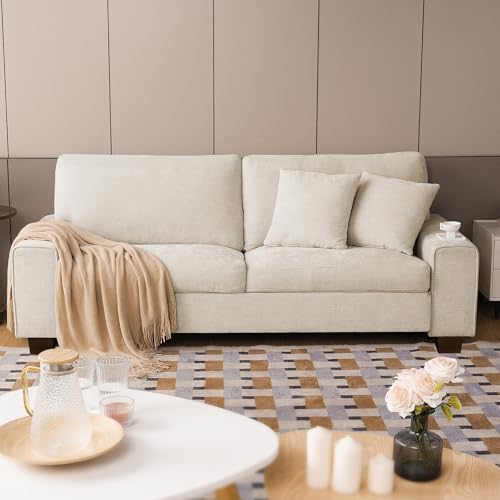
The sofa is often the largest and most-used piece in a living room, so it makes sense to begin there. A traditional shape with soft upholstery can instantly set a warm tone for the rest of the space.
Cream, oatmeal, beige, and muted taupe are versatile choices because they work with changing seasons and different accent colors. If you prefer more character, a subtle stripe or textured fabric can add interest without making the sofa feel overly busy.
Rather than covering every seat with matching cushions, try mixing a few different textures. A woven pillow, a soft floral pattern, and a simple solid-colored cushion can look more relaxed than a perfectly coordinated set.
2. Ground the Seating Area With a Generously Sized Rug

A room can have beautiful furniture and still feel slightly disconnected if the seating area doesn’t have something visually tying it together. That’s where a large area rug makes a noticeable difference.
Traditional and vintage-inspired patterns work especially well because they add color without requiring additional wall decor or accessories. Muted blue, rust, faded red, olive, beige, and brown can all bring warmth to the room.
One common mistake is choosing a rug that is too small. When possible, select one large enough for at least the front legs of the main furniture to rest on it. The result usually feels more intentional and comfortable.
3. Add a Substantial Wood Coffee Table
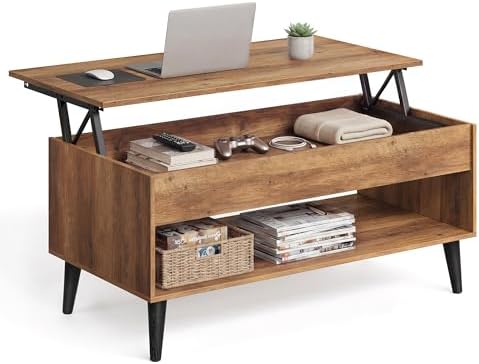
A wood coffee table can bring instant warmth to a traditional living room, especially when surrounded by softer upholstery and textiles.
Look for natural wood grain, gentle curves, or a simple classic shape. You don’t need a heavily distressed piece to make the room feel traditional. In fact, furniture with an overly artificial “aged” appearance can sometimes look less timeless than a well-made table with a natural finish.
Keep the surface useful. A small tray, a few books, and a candle or vase are often enough. Leaving some empty space makes the table easier to use for everyday life.
4. Use Several Layers of Warm Lighting
Lighting can completely change how a traditional living room feels after sunset. A single bright ceiling light often makes the space feel flatter and less inviting.
Instead, spread light around the room. A table lamp near the sofa, a floor lamp beside a chair, and an overhead fixture can create a softer and more balanced atmosphere.
Brass, bronze, ceramic, and antique-inspired finishes pair naturally with traditional interiors. Warm bulbs also make cream fabrics and wood tones appear richer and more welcoming.
Think of lighting as part of the decoration, not simply something you add because the room is dark.

Shopping ideas: Table lamps, floor lamps, warm LED bulbs, lamp shades, decorative lighting.
5. Frame Your Windows With Full-Length Curtains
Curtains are easy to underestimate, but they can add softness and height to a traditional living room.
Linen, cotton, subtle stripes, and delicate patterns all work beautifully. Hanging the curtain rod slightly higher and wider than the window can make the room appear taller while allowing more natural light to enter when the curtains are open.
Choose fabric that complements the larger pieces in the room instead of trying to match everything exactly. Slight variation usually makes the space feel more layered and natural.

6. Create a Comfortable Reading Spot With an Accent Chair
A traditional living room often feels more welcoming when it has at least one smaller seating area separate from the main sofa.
An upholstered accent chair placed near a window, bookshelf, or lamp can become a quiet place to read or relax. Add a small table for a drink or book and a soft throw within easy reach.
Blue, cream, muted green, warm brown, and subtle patterns all work well in traditional spaces. If the room already contains many patterns, a simple upholstered chair can provide visual balance.
The best reading corner doesn’t need much. Comfort matters more than filling every inch with decor.

7. Mix Textures Instead of Matching Every Pillow
Traditional rooms can sometimes look too formal when every cushion, curtain, and accessory is perfectly coordinated.
A more comfortable approach is to mix textures while keeping the colors connected. For example, combine a woven pillow with a subtle floral print and a plain linen cushion. The materials can be different while the overall color palette still feels harmonious.
Throw blankets are another easy way to add softness. Drape one casually over the sofa or chair rather than folding everything into perfect symmetry.
The room should look cared for, but it doesn’t have to look untouched.

8. Make the Fireplace Feel Like Part of the Room
If you have a fireplace, it naturally draws attention, so treat it as part of the room’s architecture rather than simply another shelf to decorate.
A large mirror, a favorite piece of art, or a simple seasonal arrangement can create a focal point above the mantel. Instead of lining up many small objects, choose a few pieces with different heights and textures.
Candles, ceramic vessels, and greenery can add warmth, especially during cooler months. Just remember that leaving some open space often makes a mantel arrangement look more thoughtful.

9. Bring Everyday Life Into the Decor With Books and Baskets
Some of the coziest traditional living rooms don’t look perfectly styled because they show signs that people actually live there.
A bookshelf filled with books you read, a basket holding blankets, or a small stack of magazines beside a chair can add personality while also being useful.
Woven baskets are particularly versatile because they provide storage without introducing plastic containers or harsh modern materials.
Try not to fill every shelf completely. A little breathing room between objects makes the display feel calmer and allows individual pieces to stand out.

10. Build a Collected-Looking Wall With Art and Frames
Traditional wall decor doesn’t have to come from one matching collection. In fact, a mix of artwork often creates more personality.
Try combining landscapes, botanical prints, vintage-style illustrations, family photographs, or architectural sketches. Use frames with related tones, such as warm wood, gold, or antique finishes, without making every frame identical.
Before hanging a gallery wall, arrange the frames on the floor first. This gives you a chance to experiment with spacing and balance without creating unnecessary holes in the wall.
The goal is for the collection to feel personal rather than purchased all at once.
Shopping ideas: Picture frames, framed prints, wall art, hanging hardware, decorative mirrors.
11. Soften the Space With Greenery and Natural Arrangements
Traditional furniture can sometimes feel structured and heavy, especially when the room includes dark wood pieces. Greenery and flowers provide a useful contrast by adding softer shapes.
A simple vase with fresh branches can look beautiful on a coffee table or console. Dried flowers are another option if you prefer something longer-lasting.
You don’t need an elaborate arrangement. Even a few stems in a well-chosen ceramic or glass vase can bring life to the room.
Artificial greenery can also work when choosing high-quality pieces with realistic texture and natural-looking colors.

12. Finish With Pieces That Actually Mean Something to You
The final layer is what keeps a traditional living room from looking like a furniture showroom.
Display a photograph you love, an old book, a small object collected during travel, or a family piece that has been passed down. These details don’t need to be expensive or perfectly coordinated.
A traditional room often becomes more interesting when it includes objects from different periods and places. The important thing is balance.
Choose a few pieces you genuinely enjoy rather than buying accessories simply to fill empty surfaces. Over time, those personal details can give the room a warmth that no catalog-perfect design can easily recreate.

- RETRO-INSPIRED DESIGN: Classic mid-century wall clock with glossy finish and chrome bezel adds vintage charm to any home…
- EASY-TO-READ DISPLAY: Large, bold numerals and a red seconds hand ensure clear visibility from any distance, ideal for b…
- ACCURATE QUARTZ MOVEMENT: High-quality quartz mechanism provides reliable, precise timekeeping with minimal maintenance.
Final Thoughts
Creating a cozy traditional living room doesn’t require matching furniture sets or expensive antiques. Start with the pieces that affect everyday comfort most, such as a good sofa, a generously sized rug, and warm lighting.
Then add character gradually through wood furniture, soft textiles, curtains, artwork, books, and personal objects. The most successful traditional spaces usually feel collected slowly rather than decorated in a single weekend.
Focus on comfort first, choose pieces you genuinely enjoy, and allow the room to develop its own character over time. That combination of timeless style and everyday life is what makes a traditional living room feel truly warm and welcoming.