Spaghetti Carbonara remains one of the most beloved dishes in Italian cooking, treasured for its rich, glossy sauce and deep, savory flavor. Although the dish appears luxurious, it relies on everyday ingredients and a traditional Roman technique that blends eggs, cheese, and cured pork into a smooth, cohesive sauce without cream. When handled correctly, Carbonara comes together quickly and delivers a restaurant-quality result at home.
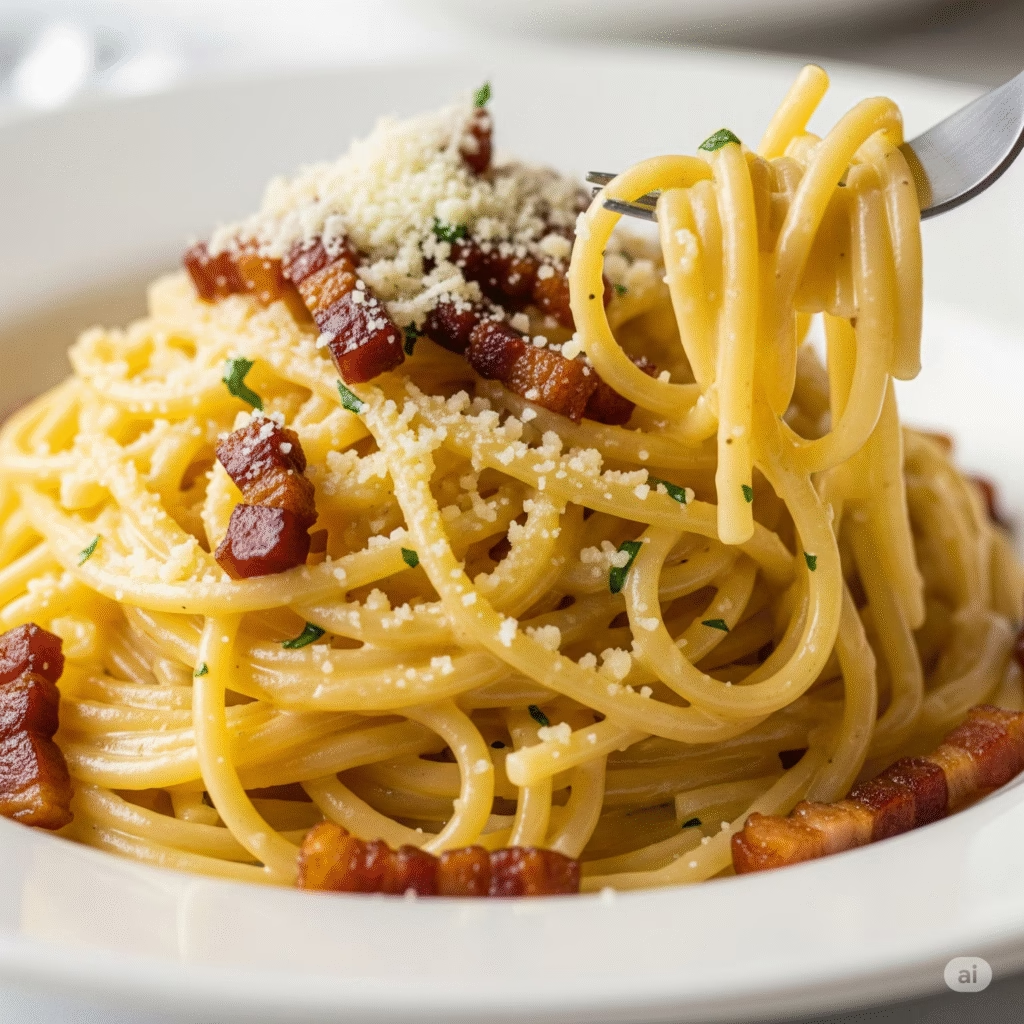
This guide focuses on essential technique—heat control, proper cheese selection, and the traditional method of emulsifying eggs and pasta water—to help you achieve a perfectly smooth Carbonara every time. With thoughtful steps and quality ingredients, the dish becomes a reliable favorite for weeknights, gatherings, or whenever you want a comforting Italian meal.
Why This Recipe Works
Uses the authentic Roman method
True Carbonara relies on egg yolks, cheese, and pasta water—not cream. Following this approach creates the classic silky finish and balanced flavor the dish is known for.
Temperature control creates creaminess naturally
By removing the skillet from direct heat before combining the eggs with the spaghetti, the warmth of the pasta gently thickens the mixture into a smooth sauce.
Guanciale builds deep, traditional flavor
This cured pork releases savory, aromatic fat as it crisps. That fat becomes the foundation of the sauce, adding richness that pancetta or bacon cannot fully replicate.
Pasta water binds the sauce
The starch in reserved pasta water helps the eggs and cheese transform into a cohesive sauce, preventing clumping or dryness.
Balanced cheese combination
Blending sharp Pecorino Romano with nutty Parmigiano-Reggiano produces a rounded, complex flavor that complements the pasta and pork.
Essential Ingredients
- Spaghetti
- Egg yolks and whole egg
- Pecorino Romano
- Parmigiano-Reggiano
- Guanciale or pancetta
- Freshly cracked black pepper
- Salt for pasta water
Kitchen Tools
- Large pot
- Large skillet
- Mixing bowl
- Whisk
- Cheese grater
- Tongs
Instructions
Before You Begin
Preheat and prepare your cookware as needed. Cooking times and results may vary depending on your equipment and ingredients. Wash hands, utensils, and cutting boards after handling raw pork.
1. Cook the Pasta
Bring salted water to a boil and cook spaghetti until al dente.
Before draining, reserve 1 cup pasta water.
Use pasta immediately while very hot—do not allow it to cool.
2. Prepare the Egg Mixture
In a bowl, whisk egg yolks, whole egg, cheeses, and pepper until smooth.
Set aside.
3. Cook the Pork Safely
Add diced guanciale/pancetta to a skillet and cook over medium heat until crisp.
Leave a small amount of rendered fat in the skillet.
Remove from direct heat.
4. Combine Pasta and Pork Fat
With the skillet off the heat, add hot spaghetti.
Toss until coated.
5. Create the Sauce Safely
Pour egg mixture over the pasta while the skillet remains off the heat.
Toss continuously until the sauce thickens and coats the pasta.
Add pasta water gradually as needed to reach a glossy consistency.
Do not return skillet to direct heat.
6. Serve Immediately
Top with more cheese and pepper.
Serve hot for best texture.
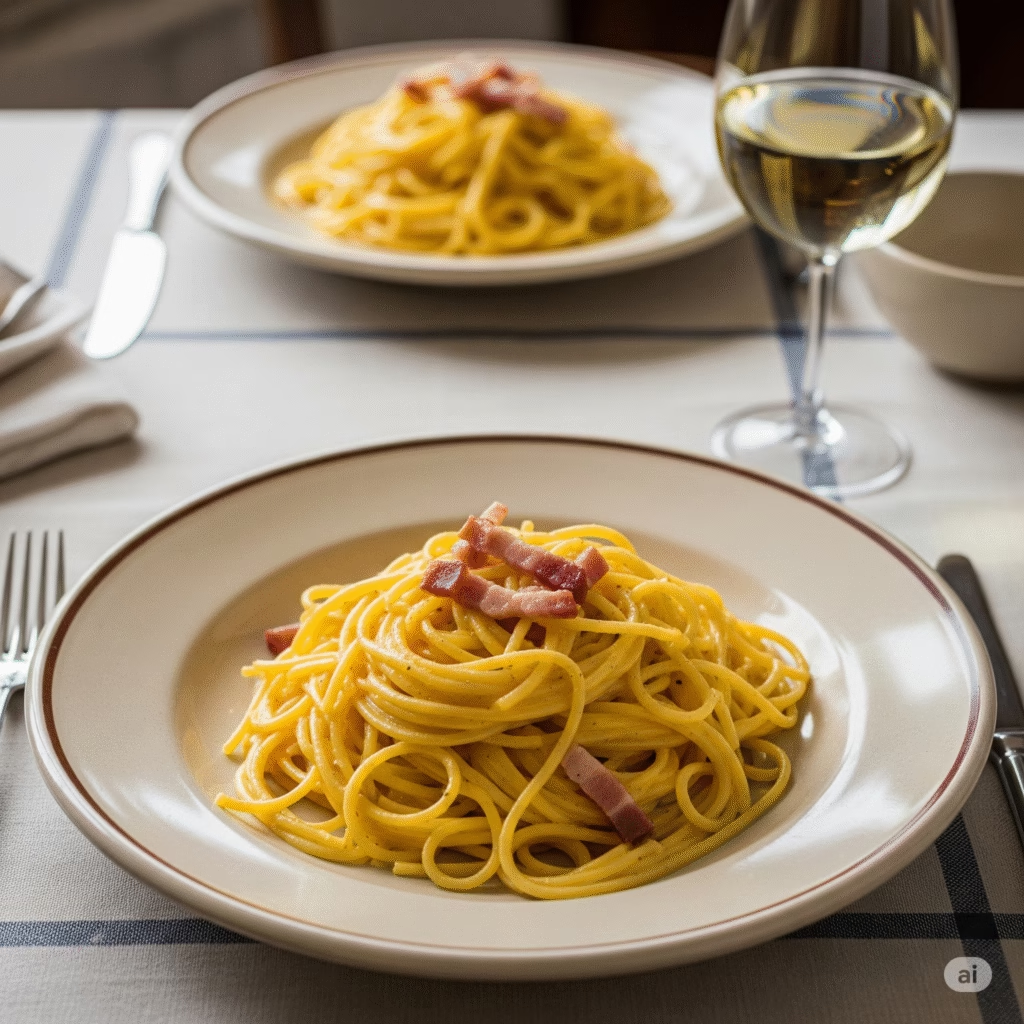
How to Serve Spaghetti Carbonara
Serve Carbonara immediately while the sauce is warm and glossy. A generous sprinkle of Pecorino Romano and freshly cracked black pepper on top enhances both flavor and aroma. The dish is traditionally served on its own, but it pairs well with a simple green salad, roasted vegetables, or crusty bread for soaking up the extra sauce.
Because Carbonara is rich, a lighter side keeps the meal balanced. For larger gatherings, serve it family-style—the pasta and sauce stay creamier when plated straight from the skillet.
Tips for Great Results
- Add eggs only when the pan is off the heat.
- Use freshly grated cheese for proper melting.
- Add pasta water little by little until the sauce turns smooth and cohesive.
Variations
- Try bucatini, linguine, or fettuccine for a different texture.
- Substitute pancetta if guanciale isn’t available.
- Increase Pecorino for a sharper finish.
Storage
Carbonara is best served immediately, but leftovers can be stored in the refrigerator for up to 3–4 days. Reheat on low heat with a splash of pasta water, milk, or cream to loosen the sauce. Avoid boiling, which causes the eggs to tighten and separate.
Common Mistakes to Avoid
Overheating the pan when adding the eggs
If the pan is too hot, the eggs will cook too quickly and turn grainy. Always remove the skillet from heat before combining the pasta and egg mixture.
Using pre-shredded cheese
Pre-packaged cheeses often contain anti-caking agents that prevent proper melting. Freshly grated cheese blends smoothly and creates a better sauce.
Skipping the pasta water
Pasta water contains starch that is essential for binding the sauce. Without it, the mixture can become thick and dry.
Letting the pasta cool down
The eggs rely on the heat of freshly drained pasta to thicken correctly. Add the pasta to the skillet while it is still very hot.
Adding salt directly to the sauce
The cheese and pork already contribute plenty of salt. Taste before adding any extra to avoid an overly salty dish.
Cooking the pork over high heat
Guanciale and pancetta crisp better over medium heat. Cooking too quickly can burn the fat and create bitterness.
FAQ
What is the traditional base for Carbonara?
Carbonara is built on eggs, Pecorino Romano, and cured pork. Pasta water brings it all together into a silky sauce. No cream is used in the authentic version.
Can I use only Parmesan instead of a cheese blend?
You can, but the flavor will be milder. Pecorino Romano adds sharpness and saltiness that define traditional Carbonara. A blend of both cheeses produces the most balanced taste.
What type of pork works best?
Guanciale is the classic choice for its rich flavor and the way it crisps while releasing savory fat. Pancetta is a suitable alternative. Bacon can work if neither is available, but the flavor will vary slightly.
Why does my sauce turn lumpy?
Lumps happen when the pan is too hot or the pasta and eggs are not tossed quickly enough. Remove the pan from the burner before adding the egg mixture and toss continuously until smooth.
Can I make this dish ahead of time?
Carbonara is best eaten immediately. The sauce naturally thickens as it sits. If you need to reheat leftovers, use low heat and a splash of warm pasta water or milk to loosen it.
Is it safe to eat eggs in Carbonara?
The heat from the freshly cooked pasta gently cooks the eggs as they emulsify into the sauce. This method has been used in Italian cooking for generations.
Can I use another type of pasta?
Yes. Bucatini, linguine, or fettuccine work well and hold the sauce nicely.
Conclusion
Classic Spaghetti Carbonara showcases how a small group of ingredients can create remarkable flavor when handled with patience and technique. Mastering the gentle heating process and balancing the cheese mixture results in a dish that is rich, smooth, and deeply satisfying. Whether served on a busy evening or shared during a special meal, this Carbonara offers a reliable and authentic taste of Roman cooking.
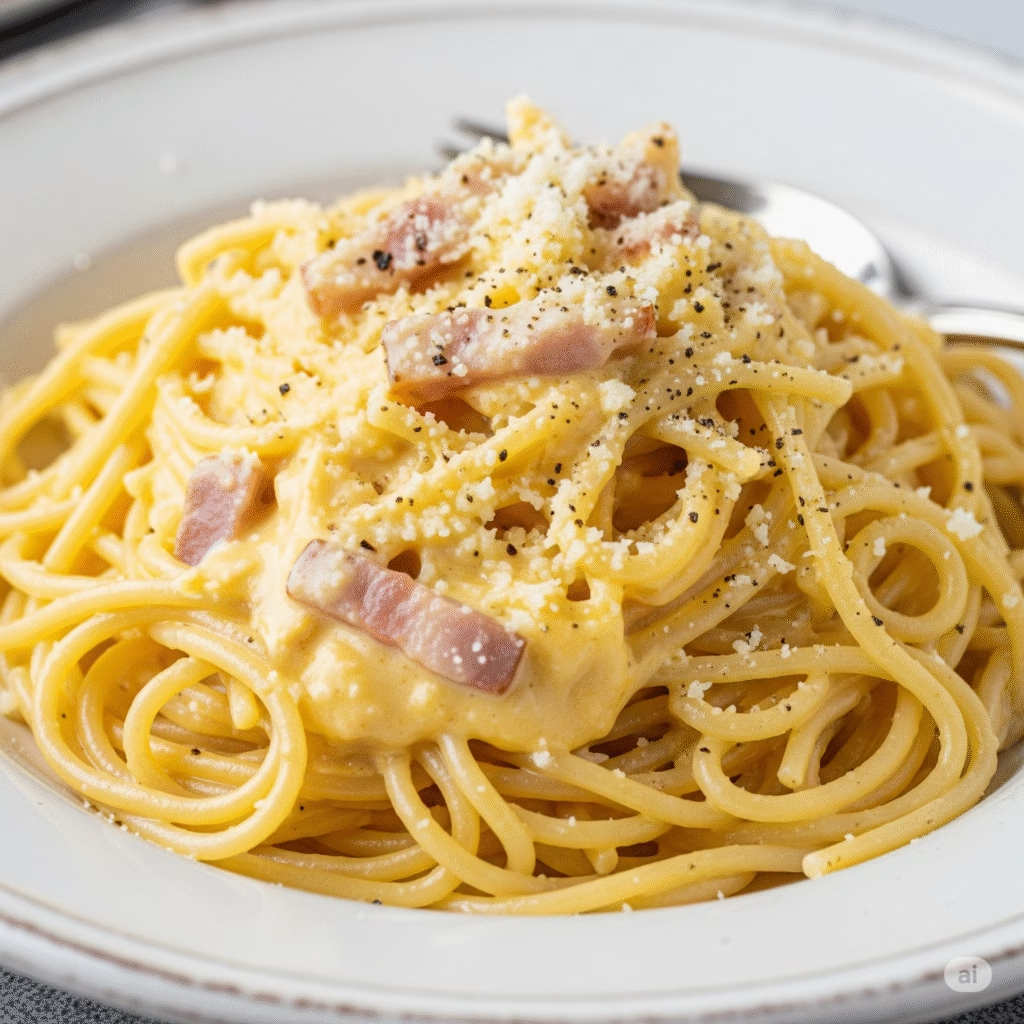
Easy Spaghetti Carbonara Recipe Card
Author: Isaac Blogger
Prep Time: 10 minutes
Cook Time: 20–25 minutes
Total Time: 30–35 minutes
Servings: 4
Course: Main Course
Cuisine: Italian (Roman)
Method: Stovetop
Ingredients
- 8 oz spaghetti
- 3 egg yolks + 1 whole egg
- ½ cup Pecorino Romano, grated
- ¼ cup Parmigiano-Reggiano, grated
- 4 oz guanciale or pancetta, diced
- ½ teaspoon cracked black pepper
- Salt for pasta water
Instructions
Before You Begin:
Preheat and prepare your cookware as needed. Cooking times and results may vary depending on your equipment and ingredients. Wash hands after handling raw pork.
- Cook spaghetti in salted water until al dente; reserve pasta water.
- Whisk eggs, Pecorino, Parmesan, and pepper until smooth; set aside.
- Cook guanciale/pancetta over medium heat until crisp; remove skillet from heat.
- Add hot pasta to skillet (off heat) and toss to coat in rendered fat.
- Pour egg mixture over hot pasta and toss continuously until sauce thickens.
- Add pasta water gradually as needed for a silky texture.
- Serve immediately; refrigerate leftovers within 2 hours.
- Reheat gently on low heat; do not boil to avoid curdling.
Notes
- Avoid high heat once eggs are added.
- Fresh cheese ensures a creamy sauce.
Nutrition (Approximate)
Calories: 525
Protein: 26g
Carbohydrates: 55g
Fat: 22g
Nutrition Disclaimer: Values are estimates and may vary based on ingredients and portion sizes.