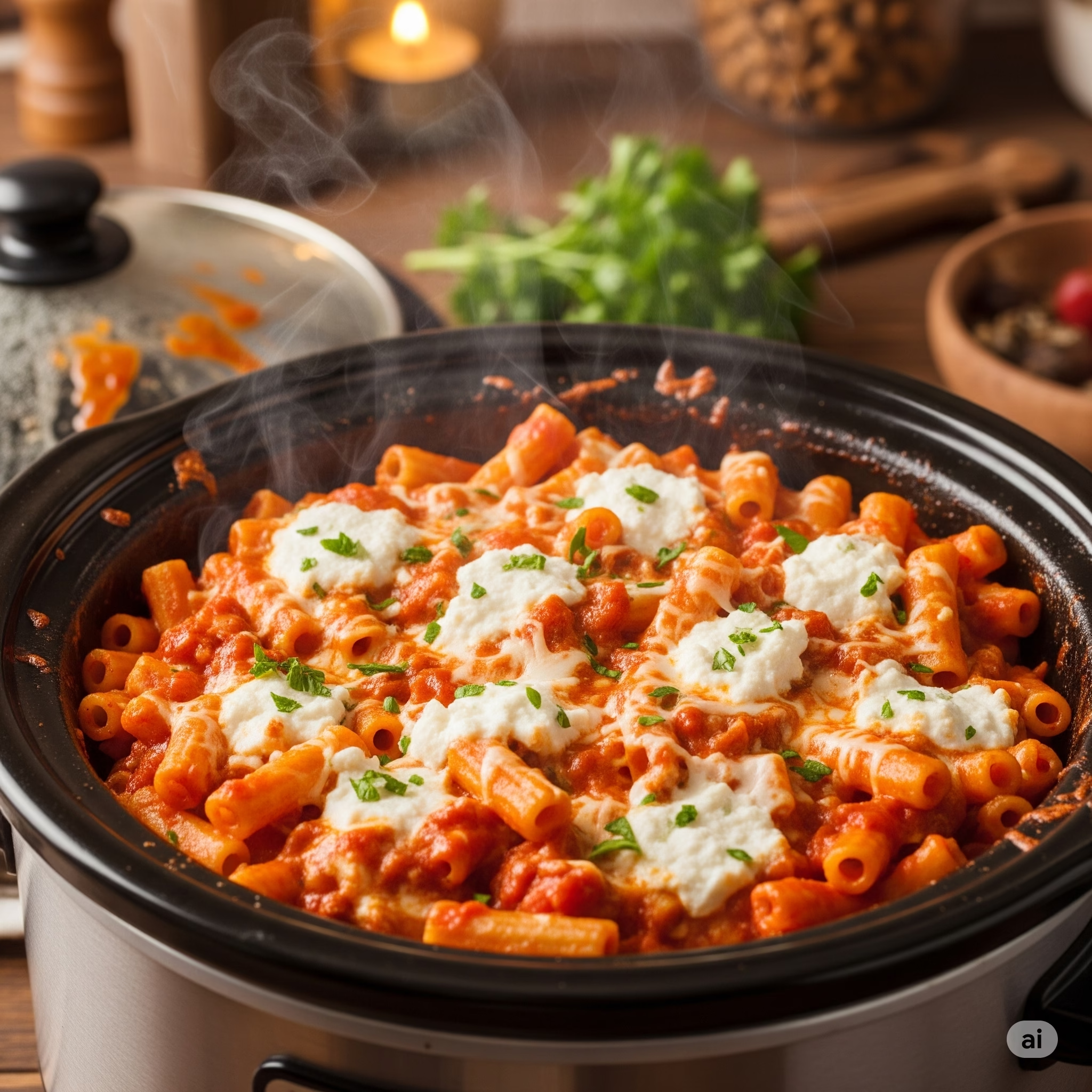
Homemade pasta is one of those kitchen projects that feels both simple and deeply satisfying. With nothing more than flour, eggs, and a bit of time, you can transform basic ingredients into smooth, tender noodles that far surpass anything from a box. Fresh pasta has a delicate chew, a rich flavor, and a rustic charm that instantly elevates any dish.
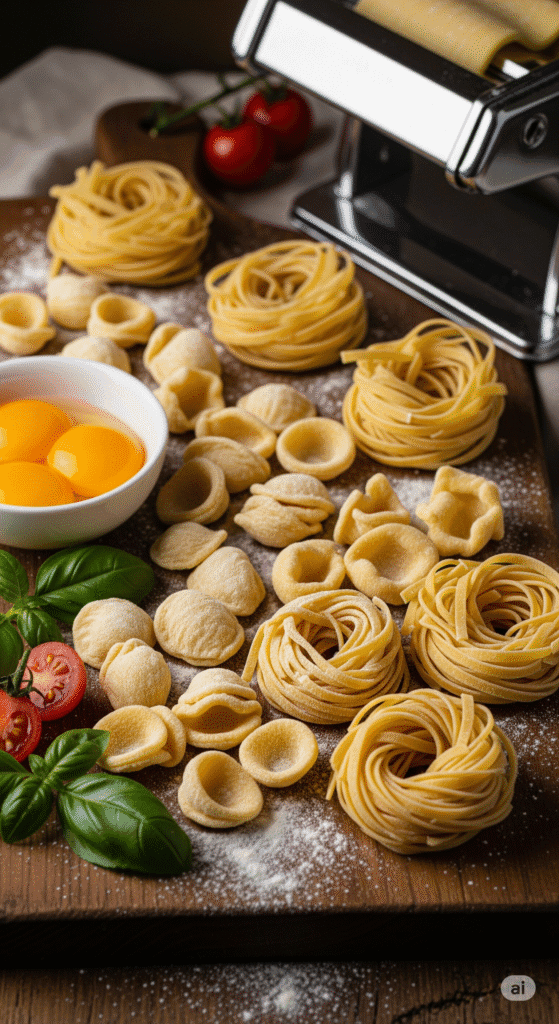
Whether you are making fresh pasta for the first time or looking to refine your technique, this guide walks you through each step clearly so you can create pasta sheets, ribbons, or filled shapes with confidence.
Why Make Homemade Pasta?
Better texture: Fresh pasta is tender, silky, and pleasantly chewy.
Customizable: Add herbs, vegetable purées, spices, or specialty flours.
Enjoyable process: Kneading and rolling the dough is hands-on and relaxing.
Simple ingredients: You control the quality and flavor from start to finish.
Ingredients You Need
Flour: All-purpose flour works well, while Italian “00” flour gives the smoothest dough.
Eggs: Room-temperature eggs bind the dough and give structure.
Salt: Enhances the natural flavor of the pasta.
Olive oil (optional): Adds slight richness and softness to the dough.
Helpful Tools
- Clean work surface or wooden board
- Fork or dough scraper
- Rolling pin or pasta machine
- Knife or pasta cutter
- Plastic wrap
- Drying rack or sheet pan dusted with semolina
Step-by-Step: How to Make Homemade Artisan Pasta
Before You Begin
Preheat and prepare your cookware as needed. Cooking times and results may vary depending on your equipment and ingredients.
Wash hands after handling raw eggs and avoid tasting raw dough.
1. Make the Dough
Place flour on a board and form a deep well. Add eggs, salt, and olive oil.
Whisk eggs while pulling flour in gradually until a soft dough forms.
Once thick, use hands to bring it together into a uniform dough.
2. Knead Until Smooth
Knead for 8–10 minutes until the dough is smooth, elastic, and slightly springy.
If sticky, dust lightly with flour. If dry, dampen hands and continue kneading.
3. Rest the Dough
Wrap tightly in plastic wrap and let rest 30 minutes at room temperature.
This relaxes gluten so rolling is easier.
4. Roll Out the Dough
Divide dough into pieces.
Roll thin using a rolling pin or a pasta machine, dusting lightly with flour or semolina.
Roll until thin enough to faintly see your fingers through the dough.
5. Cut or Shape the Pasta
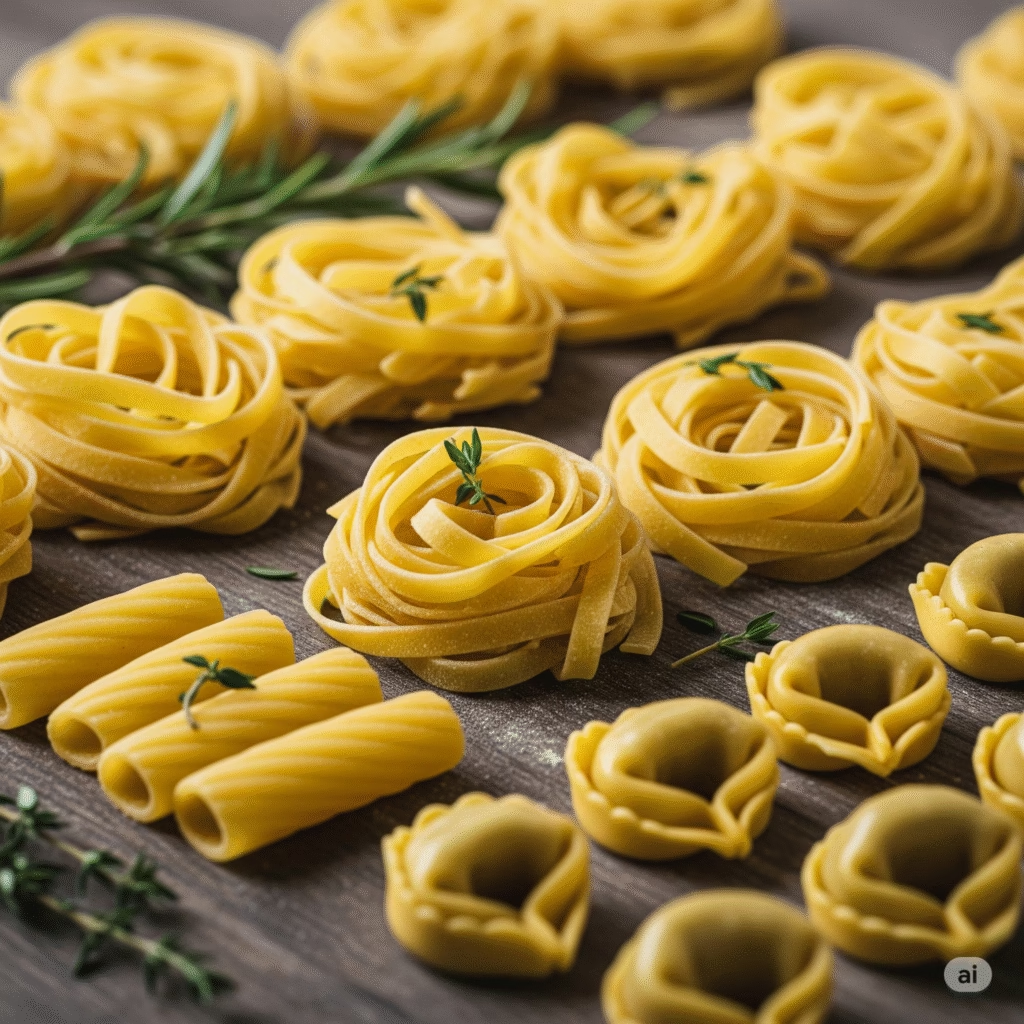
Cut into fettuccine, tagliatelle, lasagna sheets, or shape into ravioli.
Dust with semolina to prevent sticking.
6. Dry and Cook
Let the shaped pasta dry for 15–30 minutes.
Boil in salted water for 2–4 minutes, or until the pasta floats and is tender but firm.
Tips for Success
- Dust with semolina, not too much flour, for a better finish.
- Do not skip the resting period; it prevents the dough from shrinking.
- Heavily salt the cooking water for proper seasoning.
- Roll thinner than you think; pasta thickens when cooked.
Common Mistakes and How to Avoid Them
Not kneading long enough: Causes crumbly, weak dough.
Skipping the resting step: Dough will resist rolling and shrink.
Adding too much flour: Leads to dry, tough noodles.
Rolling too thick: Results in dense pasta that doesn’t cook evenly.
Overcooking: Fresh pasta becomes mushy if boiled too long; taste early.
Frequently Asked Questions
1. Why does my pasta dough feel tough?
A dough that feels tough is often too dry or over-kneaded. Add a few drops of water and knead until smooth. If over-kneaded, allow a longer resting time.
2. How long should fresh pasta dry before cooking or storing?
For immediate cooking, dry for 15–60 minutes. For storage, let it dry several hours until firm, then freeze or refrigerate.
3. Can I make pasta without a pasta machine?
Yes. A rolling pin works very well. It requires a bit more effort, but with patience you can achieve thin, even sheets.
4. What is the best flour for homemade pasta?
Italian “00” flour makes the smoothest, softest dough. All-purpose flour is a great everyday choice, and adding semolina provides a firmer bite.
5. Can pasta dough be refrigerated?
Yes. Wrap tightly and refrigerate for up to 48 hours. Allow it to warm slightly before rolling.
6. Why do my noodles stick together when cooking?
This usually happens when they are added to water that is not boiling vigorously or if they weren’t dried briefly before cooking. Stir during the first minute of cooking.
7. Can fresh pasta be frozen?
Yes. Arrange pasta shapes on a tray, freeze until solid, and transfer to a freezer-safe bag. Cook directly from frozen.
8. Can I add flavors or colors?
Yes. Spinach purée, beet purée, herbs, tomato powder, and squid ink are common additions.
9. Does pasta dough need olive oil?
Oil is optional. It helps create a softer dough, but the pasta will turn out beautifully without it.
10. Why does my pasta dough crack during rolling?
Cracking means the dough is too dry. Lightly mist with water and knead again for 1–2 minutes.
Final Thoughts
Handcrafted pasta is both simple and rewarding. Once you learn how to form a smooth dough and roll it thin, you unlock an entirely new world of possibilities in your kitchen. The texture and flavor of fresh pasta bring richness to any dish, and the process itself adds a traditional, hands-on feel that boxed pasta can never match. Whether you prefer long ribbons, flat sheets, or filled shapes, making pasta from scratch transforms every meal into something special
Recipe Card
Homemade Artisan Egg Pasta
Author: Isaac Blogger
Prep Time: 30 minutes
Rest Time: 30 minutes
Cook Time: 2–4 minutes
Total Time: 1 hour 5 minutes
Course: Main Dish / Pasta
Cuisine: Italian
Servings: 4
Ingredients
- 2 cups (250g) all-purpose flour
- 3 large eggs
- ½ tsp salt
- 1 tbsp olive oil (optional)
Instructions
Before You Begin:
Preheat and prepare your cookware as needed. Cooking times and results may vary depending on your equipment and ingredients. Wash hands after handling raw eggs and avoid tasting raw dough.
- Create a mound of flour and form a well in the center. Add eggs, salt, and olive oil.
- Whisk the eggs and slowly pull flour into the center until it becomes a thick batter.
- Use hands to bring the mixture together into a dough ball.
- Knead the dough for 8–10 minutes until it becomes smooth, elastic, and slightly springy.
- Wrap tightly and rest the dough for 30 minutes at room temperature.
- Divide dough into sections. Roll thin using a rolling pin or pasta machine, dusting lightly with semolina to prevent sticking.
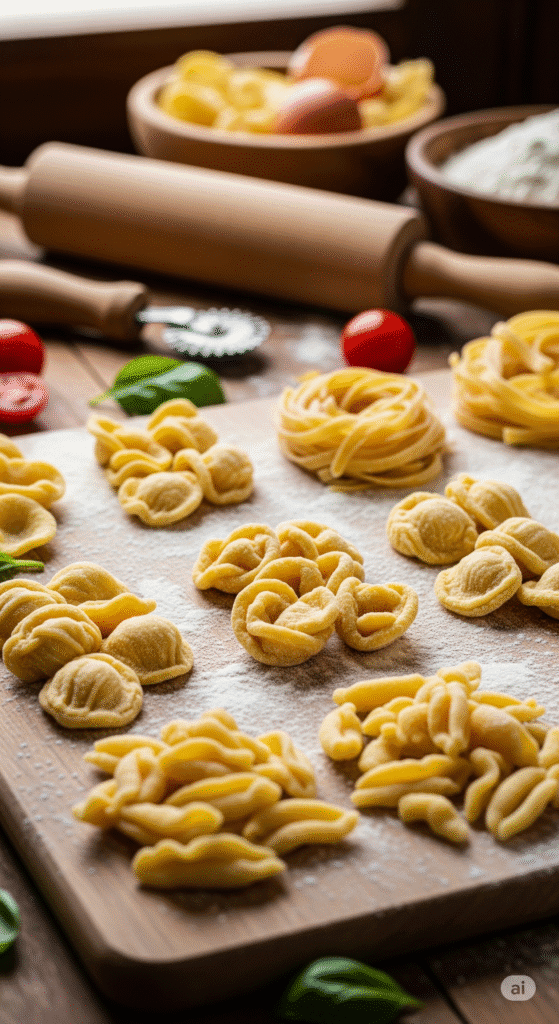
- Cut dough into desired shapes such as fettuccine, tagliatelle, lasagna sheets, or filled pasta.
- Let the pasta dry for 15–30 minutes.
- Cook pasta in generously salted boiling water for 2–4 minutes, or until it floats and reaches your desired tenderness.
- Drain and serve with your preferred sauce.
Nutrition (per serving)
Calories: 270
Carbohydrates: 47g
Protein: 10g
Fat: 4g
Sodium: 145mg
Nutrition values are estimates and may vary based on ingredients, brands, and portion size.