A homemade Butterscotch Pie has a way of bringing back old-fashioned kitchen memories. With a rich brown-sugar custard, a fully baked crust, and a layer of fresh whipped cream, it delivers deep flavor and a smooth, sliceable texture. The steps are straightforward, and the pie is perfect for holidays, potlucks, or weekend desserts.

Why You’ll Love This Recipe
Real brown-sugar caramel flavor
Caramelizing sugar and using dark brown sugar creates a warm, deep butterscotch taste.
Smooth, stable custard
Slow stovetop cooking lets the custard thicken gradually and set firmly once chilled.
Naturally make-ahead
This pie requires several hours of refrigeration, making planning easier.
Simple pantry ingredients
Butter, cream, brown sugar, eggs, and vanilla combine for a classic homemade dessert.
Ingredients
Crust
- 1 unbaked flaky pie crust (1 disc)
Butterscotch Filling
- ¾ cup packed dark brown sugar
- 3 tablespoons cornstarch
- 1¼ cups whole milk, room temperature
- 4 large egg yolks, room temperature
- ⅓ cup granulated sugar
- 3 tablespoons water
- 1 cup heavy cream
- 2 tablespoons unsalted butter, softened
- ½ teaspoon salt
- 2 teaspoons vanilla extract, divided
Whipped Cream Topping
- 1 cup cold heavy cream
- 2 tablespoons packed dark brown sugar
- ½ teaspoon vanilla extract
Tools You’ll Need
- 9-inch pie dish
- Rolling pin
- Mixing bowls
- Whisks
- Stainless steel saucepan
- Parchment paper
- Pie weights or dried beans
- Cooling rack
- Instant-read thermometer
- Hand mixer or stand mixer
Step-by-Step Instructions
Before You Begin
Preheat and prepare your cookware as needed. Cooking times and results can vary based on oven type, pan thickness, and ingredient temperature. For safe and reliable results:
- Fully blind-bake the crust before filling
- Cook the custard to 195–200°F (90–93°C)
- Allow the pie to cool before covering and refrigerating
- Chill at least 6 hours for proper setting
- Keep the pie refrigerated and serve cold
1. Blind-Bake the Crust
- Preheat oven to 375°F (190°C).
- Chill the shaped crust for 30 minutes.
- Bake with weights for 15–16 minutes.
- Remove weights, prick bottom, and bake 14–15 minutes more, until golden and dry.
- Cool completely before filling.
2. Mix the Custard Base
Whisk the brown sugar and cornstarch together. Add milk and egg yolks and mix until smooth.
3. Make the Caramel
Heat the granulated sugar and water over medium heat. Swirl gently (do not stir) until amber.
4. Add Cream Safely
Reduce heat. Slowly add heavy cream while whisking to prevent splattering.
5. Thicken the Custard
Pour the brown-sugar mixture into the caramel mixture while whisking constantly.
Cook until thickened and internal temperature reaches 195–200°F (90–93°C), indicating the custard is fully cooked and will set properly. This temp ensures the custard is cooked safely and will set firmly.
6. Cool and Chill
Stir in butter, salt, and vanilla.
Cool 5–10 minutes, then pour into the cooled crust.
Refrigerate uncovered for 6 hours to allow steam to escape.
Cover once fully cold.
7. Add Whipped Cream and Serve
Whip the cream, brown sugar, and vanilla to medium peaks.
Spread over the chilled pie.
Serve cold and refrigerate leftovers promptly.
SAFE STORAGE + SERVING REMINDERS
- Refrigerate up to 5 days
- Freeze without whipped topping up to 3 months
- Thaw overnight in refrigerator
- Keep chilled when serving
- Do not leave out longer than 2 hours
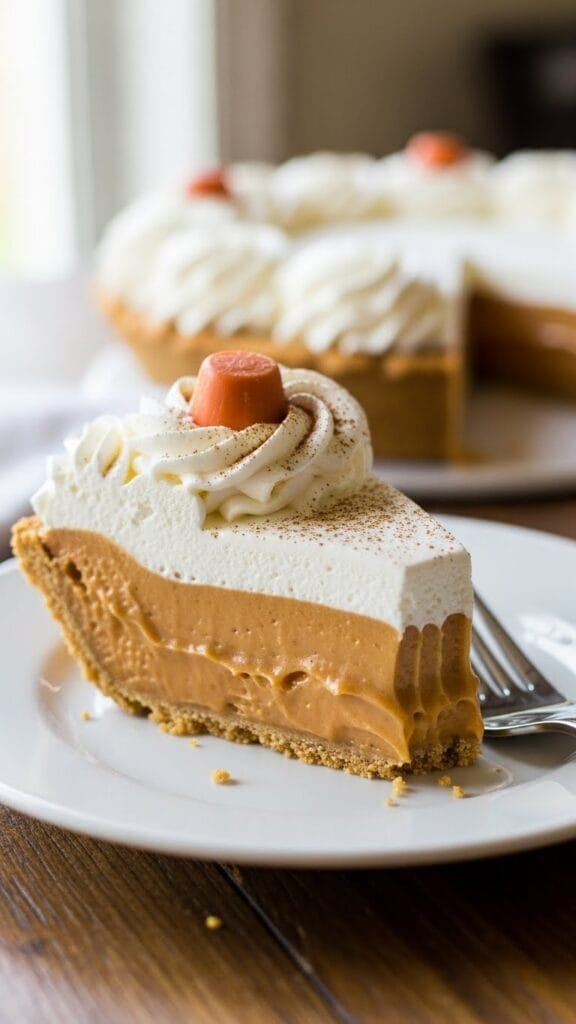
How to Serve
Serve straight from the refrigerator
Add whipped cream just before serving
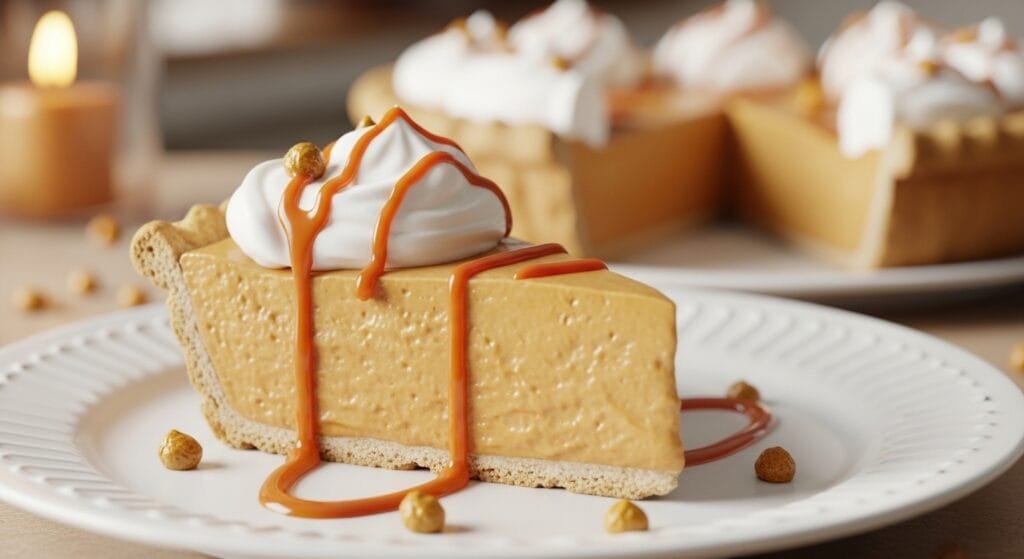
Optional caramel drizzle
Pairs well with coffee or tea
Storage and Make-Ahead Tips
Refrigerator:
Refrigerate pie at least 6 hours until fully set. Store covered in refrigerator and keep chilled except when serving. Do not leave out longer than 2 hours.
Freezer:
Freeze (without whipped topping) up to 3 months
Thawing:
Thaw overnight in the refrigerator
Food Safety
Cook custard to 195–200°F for safe thickening.
Refrigerate pie within 2 hours.
Keep chilled except when serving.
Reheat leftovers only if serving warm (not typical for custard pies).
Common Mistakes to Avoid
- Not baking crust fully → leads to soggy bottom
- Removing custard too early → must reach 195–200°F
- Stirring caramel → crystallizes the sugar
- Using low-fat milk → custard won’t set
- Covering pie while warm → traps steam and softens crust
FAQ
1. What makes butterscotch different from caramel?
The main difference is the type of sugar used. Caramel is made from white granulated sugar, while butterscotch relies on brown sugar. Brown sugar contains molasses, which gives butterscotch its deeper, warmer flavor. This pie uses both caramelized white sugar and dark brown sugar to create a more complex, layered taste.
2. Why must the crust be fully blind-baked?
This is a no-bake filling, meaning the custard sets in the refrigerator. If the crust is only partially baked or pale, the moisture from the filling will make it soft. A fully baked, golden crust provides the support needed to hold the creamy custard without becoming soggy.
3. My filling turned runny. What went wrong?
Usually, the filling hasn’t been cooked long enough. The custard must reach a temperature between 195°F and 200°F for the cornstarch and egg yolks to activate fully. Using low-fat dairy can also prevent the custard from setting properly.
4. Can I use a store-bought pie crust?
Yes. A store-bought unbaked crust works well as long as it is fully blind-baked following the recipe instructions. Do not use a pre-baked crust, since it may not be sturdy enough for this rich filling.
5. Is it safe to freeze Butterscotch Pie?
Yes, but only before adding whipped cream. Once the pie has chilled and set, wrap it tightly and freeze for up to three months. When ready to serve, thaw overnight in the refrigerator and top with freshly whipped cream.
6. Can I make this pie ahead of time?
Definitely. The pie requires chilling, which makes it naturally make-ahead friendly. Prepare it one day before serving, add the whipped cream shortly before slicing, and it will hold its shape beautifully.
Conclusion
This Butterscotch Pie brings together brown sugar, cream, and simple pantry ingredients to create a dessert with old-fashioned character and a smooth, custard texture. Although it takes time to bake and chill, the steps are manageable and the results are worth every minute. It’s the kind of pie that feels special at gatherings yet comforting enough to enjoy any day of the week.

Ingredients
Method
- Before You Begin
- Prepare your cookware as needed. Cooking times and results may vary depending on your equipment and ingredients.
- Blind-Bake Crust
- Preheat oven to 375°F (190°C). Fit crust into pie dish and chill 30 minutes. Line with parchment and weights. Bake 15–16 minutes, remove weights, prick bottom, and bake 14–15 minutes more until golden, dry, and fully baked. Cool completely.
- Mix Custard Base
- Whisk brown sugar and cornstarch. Add milk and egg yolks and whisk until smooth.
- Make Caramel
- Heat granulated sugar and water over medium heat. Swirl gently (do not stir) until amber colored.
- Add Cream Carefully
- Reduce heat. Slowly whisk in heavy cream until smooth.
- Cook Custard
- Slowly pour the brown-sugar mixture into caramel while whisking constantly. Cook over medium heat until thickened and temperature reaches 195–200°F (90–93°C), indicating the custard is fully cooked and will set properly.
- Finish Filling
- Remove from heat. Stir in butter, salt, and 1 teaspoon vanilla. Cool 5 minutes.
- Chill
- Pour filling into cooled crust. Refrigerate uncovered at least 6 hours until fully set. Cover once cold.
- Make Topping & Serve
- Whip cream, brown sugar, and remaining vanilla until medium peaks form. Spread over chilled pie. Serve cold.
Notes
About the Author
Isaac shares easy, family-friendly recipes made with simple ingredients, focusing on clear instructions and reliable results for everyday home cooking.