A narrow hallway can be more than a passage between rooms. With the right colors, lighting, mirrors, and space-saving furniture, even a tight corridor can feel brighter, wider, and more welcoming. These narrow hallway ideas combine practical storage solutions with stylish decorating details, helping you create an entrance that feels organized and thoughtfully designed without sacrificing valuable walking space.
1. Use an Oversized Mirror to Open Up the Space
This article contains affiliate links. As an Amazon Associate, I may earn from qualifying purchases at no extra cost to you.

An oversized mirror is one of the most effective ways to make a narrow hallway look wider. It reflects light, adds visual depth, and creates the impression of another layer of space. A tall rectangular mirror works particularly well on a long side wall, while a large round mirror can soften a hallway filled with straight lines.
For a coordinated look, choose a slim black frame for modern interiors or a natural wood frame for a warmer, more relaxed style. If your hallway receives daylight from a nearby room or entrance, position the mirror to reflect that light into the corridor.
Design idea: Pair a tall mirror with a small wall-mounted console shelf and a simple vase. This creates an attractive focal point without introducing bulky furniture.
2. Choose Warm Neutral Colors for the Walls
Light, understated colors can help a tight hallway feel airy rather than enclosed. Warm white, pale beige, soft greige, and creamy ivory are versatile choices that work with many decorating styles.
For a welcoming finish, combine soft neutral walls with oak accents, natural woven textures, and a few dark details for contrast. Painting the ceiling a similar light shade can also create a more continuous appearance.
If you prefer a little more personality, introduce a muted sage green or dusty blue on a small section of wall rather than covering the entire corridor in a dark shade.
Design idea: Try warm white walls, pale wood details, and a beige runner for a calm, Scandinavian-inspired hallway.
3. Lay Down a Long Runner Rug

A long runner rug can guide the eye through a hallway and make the space feel more connected. It also introduces color, pattern, and texture without taking up any wall space.
Choose a runner that leaves a visible strip of flooring along both sides. Narrow geometric patterns, subtle stripes, and low-contrast designs are useful options when you want the hallway to feel open. For a traditional interior, consider a faded vintage-inspired pattern; for a modern home, a simple linear design may work better.
Prioritize a low-pile rug that is easy to clean, especially near the front door.
Design idea: Coordinate the rug with the wall color and repeat one of its accent shades in artwork or a small decorative accessory.
4. Create a Simple, Lightweight Gallery Wall

Artwork can bring personality to a narrow hallway without taking up precious floor space. A lightweight gallery wall featuring botanical prints, abstract artwork, or family photographs makes an otherwise plain corridor feel more considered.
To avoid visual clutter, use a consistent frame finish and a limited color palette. A row of similarly sized frames can emphasize the hallway’s length, while a small vertical arrangement can make use of a short wall near the entrance.
You do not need to cover every available section. A few well-spaced pieces often create a more polished result than a crowded collection.
Design idea: Use three or four coordinated prints with slim oak frames against a warm white wall for a clean, natural look.
5. Install Shallow Built-In Hallway Storage
Storage can be difficult in a narrow hallway, especially when coats, bags, shoes, and everyday essentials accumulate near the entrance. Shallow built-in hallway storage can keep these items organized while preserving as much walking space as possible.
Depending on your layout, consider recessed cupboards, narrow cabinets, or a slim wall-mounted shelf with concealed storage baskets. If you are renovating, a recessed niche may provide storage without projecting as far into the corridor.

Keep the finish simple so the storage blends with the surrounding walls instead of becoming the main visual feature.
Design idea: A shallow, wall-colored cabinet with discreet handles can provide useful storage while creating a cleaner, less cluttered appearance.
6. Replace a Bulky Coat Stand With Wall-Mounted Hooks
A freestanding coat rack can quickly make a tight hallway feel crowded. Wall-mounted hooks offer a practical alternative because they keep the floor clear while providing a place for frequently used coats, bags, and umbrellas.
Choose a simple row of hooks in black metal, brushed brass, or natural wood. A narrow wooden rail with individual hooks can also introduce warmth and give the entrance a more finished appearance.

Avoid hanging every coat and bag in the household in this area. Keeping only everyday essentials near the door helps prevent the hallway from looking untidy.
Design idea: Combine a short row of hooks with a small upper shelf for hats and a basket for gloves or other accessories.
7. Add a Slim Bench With Hidden Shoe Storage
If your hallway has enough width, a slim storage bench can make the entrance more functional. It provides a convenient place to sit while putting on shoes and can help keep footwear off the floor.
Look for a compact design with open shelving, pull-out drawers, or space underneath for a few pairs of shoes. Pale wood, simple upholstery, and clean lines work well in small spaces because they keep the furniture visually understated.
Before buying, measure the available depth and check that doors can open fully without hitting the bench.

Design idea: Style a narrow oak bench with one neutral cushion and a small basket underneath. Keep the top mostly clear so the hallway remains easy to use.
8. Draw the Eye Upward With Vertical Stripes or Paneling
Vertical details can make a hallway feel taller by encouraging the eye to move upward. Vertical stripe wallpaper is one option, while slim wall paneling offers a more architectural finish.
For a subtle effect, choose tone-on-tone stripes or paint the paneling the same color as the wall. This adds texture and structure without introducing a busy pattern. In a traditional home, narrow painted panels can create a classic look; in a contemporary interior, simple vertical battens can feel more streamlined.
Use patterns carefully in very tight spaces. Large, high-contrast designs may overwhelm the walls rather than make them feel more open.

Design idea: Combine pale greige vertical paneling with a simple framed print and warm lighting for an elegant, understated hallway.
9. Brighten the Entire Corridor With Continuous Lighting
A hallway with one dim ceiling light can feel gloomy, especially if it has no windows. Continuous ceiling lighting or a carefully spaced series of compact fixtures can distribute light more evenly from one end to the other.
Recessed lighting is useful when you want a clean ceiling with minimal visual clutter. Flush-mount ceiling lights are another practical choice, particularly in hallways with low ceilings. A wall sconce or two can add a softer layer of light, provided the fixtures do not obstruct the walking area.
Choose a consistent light color throughout the corridor to avoid an uneven appearance. Dimmable lighting can also help create a welcoming atmosphere in the evening.
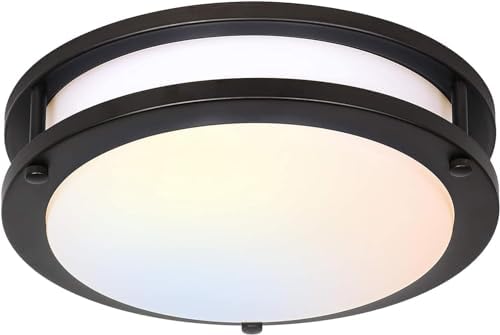
Design idea: Combine evenly spaced ceiling lights with a softly illuminated mirror or a small wall light near the entrance.
10. Turn the End Wall Into a Focal Point
A long, narrow hallway can benefit from a clear visual destination. Giving the end wall a contrasting color, an attractive piece of artwork, or a decorative mirror can make the corridor feel intentionally designed.
Muted olive, dusty blue, warm terracotta, and deeper taupe are possible accent shades. Keep the side walls lighter if your main goal is to make the hallway feel airy, and repeat the accent color in a small detail to tie the look together.
A contrasting end wall is not the only option. A framed landscape, a simple botanical print, or a small piece of sculptural artwork can achieve a similar effect.

- Classical Wall Art Decor : This vintage wall art add an elegant and nostalgic touch to any space, making them a perfect …
- Premium Quality : This classical oil painting is printed on canvas and wrapped on wood fiberboard, finished with clear g…
- Ready To Hang : This framed canvas art wall decor measures 24×36 inches, comes with 2 hooks which makes it easy to hang….
Design idea: Paint the end wall a muted green and hang one large, simple artwork above a narrow decorative ledge.
11. Coordinate Doors, Trim, and Natural Textures
In a narrow hallway, numerous contrasting doors, frames, and decorative details can make the space feel visually fragmented. Coordinating the doors and trim with the walls creates a more continuous look and can make the corridor feel calmer.
For a seamless appearance, paint the doors and trim in a shade close to the wall color. If you prefer contrast, use a consistent color on all the doors rather than giving each one a different finish.
Natural textures can keep the result from feeling plain. Introduce warmth with a wooden picture ledge, a woven basket, linen details, or a small ceramic vase. Choose just a few pieces so the hallway remains uncluttered.
Design idea: Pair warm white walls and coordinated trim with a light oak ledge, a woven basket, and a neutral runner for a welcoming, understated finish.
How to Make a Narrow Hallway Look Wider
The most effective narrow hallway layout ideas balance appearance with everyday movement. You do not need to use every decorating technique; start with the changes that address your hallway’s biggest problem.
- Keep the floor as clear as possible. Use wall hooks, shallow storage, and compact furniture.
- Make the most of available light. Mirrors, light wall colors, and evenly distributed lighting help reduce dark corners.
- Create a consistent color palette. Coordinate walls, doors, trim, and accessories to avoid a visually fragmented look.
- Choose patterns carefully. Subtle stripes and small-scale geometric designs can add interest without dominating the corridor.
- Measure before buying. Check furniture depth, door clearance, and walking space before installing benches or cabinets.
Common Narrow Hallway Decorating Mistakes to Avoid
Even attractive decor can make a tight hallway less practical if it is not suited to the available space.
- Oversized furniture: Deep consoles and bulky benches can obstruct the walking path.
- Too many small decorations: Crowded shelves and busy gallery walls can make the corridor feel cluttered.
- Poor lighting placement: A single ceiling fixture may leave the far end dark.
- Oversized rug patterns: Strong, busy patterns can compete with other hallway details.
- Unplanned storage: Too many visible coats, shoes, and bags can undo the effect of an otherwise beautiful design.
A useful rule is to prioritize movement first, lighting second, and decorative details third.
Final Thoughts
A narrow hallway can feel stylish, bright, and functional with a few well-chosen changes. Oversized mirrors, soft neutral colors, long runner rugs, shallow storage, and thoughtful lighting can transform a tight corridor without filling it with unnecessary furniture. Choose two or three ideas that suit your layout, keep the design consistent with adjoining rooms, and let the available space guide your decorating decisions.