A beautiful living room can still feel cold after sunset if all its light comes from one ceiling fixture. The secret is to combine different light sources that make the room comfortable, functional, and visually inviting. These warm living room lighting ideas show how to use lamps, wall lights, concealed LEDs, and soft accent lighting to create a cozy atmosphere without completely redesigning your space.
1. Layer Floor Lamps Around Your Seating Area
This article contains affiliate links. As an Amazon Associate, I may earn from qualifying purchases at no extra cost to you.

A floor lamp can brighten a dark corner and make your seating area feel more inviting. Instead of placing every light in the center of the room, spread illumination around the furniture.
For a beautiful layered floor lamp glow, position one lamp near a sofa and another beside an occasional chair if space allows. Choose fabric shades or diffused lighting for a softer effect.
Best for: Dark corners, larger living rooms, and relaxed evening settings.
Shopping tip: Look for a stable base, a suitable height, and a shade that directs light where you need it.
2. Style Warm Table Lamps on a Sideboard

A sideboard offers a convenient place to add both decorative interest and useful light. One table lamp can create a cozy focal point, while a pair can make a wider piece of furniture feel balanced.
Choose ceramic bases, textured shades, or warm wood finishes that complement your existing decor. Warm table lamps on a sideboard are particularly effective when combined with framed artwork, books, or a decorative bowl.
Best for: Traditional, farmhouse, contemporary, and transitional interiors.
Shopping tip: Check the lamp’s overall height against nearby artwork and furniture so the arrangement feels proportionate.
3. Install Soft Wall Sconces

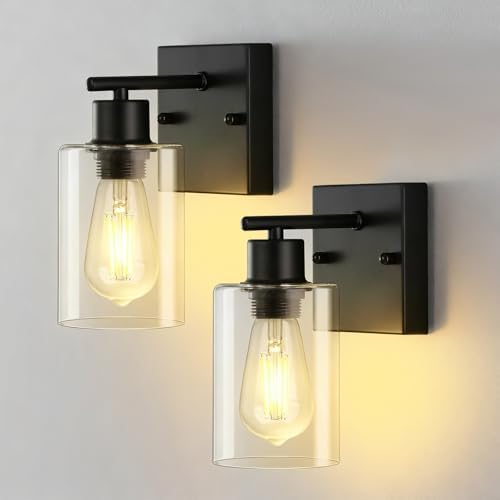
Wall sconces create a welcoming glow without taking up space on side tables or the floor. They work well beside artwork, near a fireplace, or on either side of a feature wall.
Choose shades that diffuse the light or fixtures that direct illumination upward and downward. Soft wall sconce illumination adds depth to a room that might otherwise look flat after dark.
Best for: Compact living rooms, narrow spaces, and decorative walls.
Shopping tip: If you want dimmable lighting, confirm that the fixture, bulb, and dimmer are compatible. Have fixed electrical installations handled by a qualified professional.
4. Highlight Shelves With Concealed LED Lighting

Bookshelves and floating shelves can become attractive features when illuminated discreetly. A diffused LED strip under a floating shelf creates a gentle wash of light across the wall or the objects below it.
Use this lighting to highlight books, ceramics, framed photographs, and collected decorative pieces. A diffuser helps create a smoother glow instead of exposing individual points of light.
Best for: Modern interiors, display shelves, and living rooms with limited natural light.
Shopping tip: Measure the shelf before purchasing a strip and check whether the installation requires a separate power supply.
5. Make a Statement With a Paper Lantern Pendant
A paper lantern pendant living room light introduces a soft, sculptural shape that can make a simple room feel thoughtfully decorated.
An oversized paper pendant works especially well above a conversation area or in a living room with neutral furniture. Its rounded form can soften the straight lines of sofas, shelving, and rectangular coffee tables.
Best for: Scandinavian, minimalist, contemporary, and relaxed eclectic interiors.

Shopping tip: Choose a size that suits the ceiling height and room proportions. Follow the manufacturer’s instructions for bulb wattage, clearance, and heat safety.
6. Add a Slim Floor Lamp Behind the Sofa
The space behind a sofa often goes unused, even though it can be an ideal spot for additional lighting. A slim floor lamp behind the sofa adds height without requiring another side table.
Choose a narrow design for a compact room or an adjustable model if you need light for reading. Position it so the bulb isn’t visible from the main seating positions.
Best for: Apartment living rooms, narrow layouts, and sofas placed away from walls.

Shopping tip: Check the lamp’s footprint and cord placement to ensure it won’t obstruct walking paths.
7. Balance a Console Table With Matching Lamps
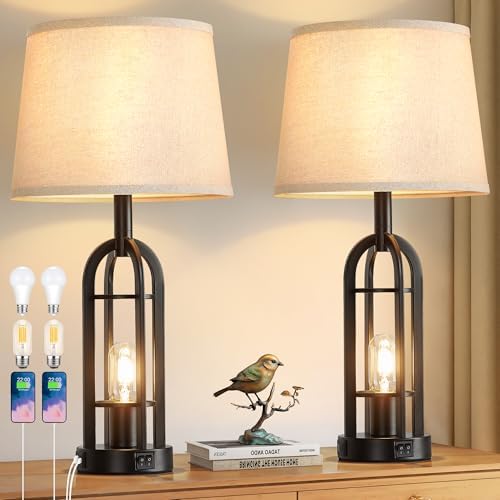
A pair of matching table lamps on a console table creates symmetry and gives a living room a polished, coordinated appearance.
Place the lamps at either end of a console behind the sofa or against a wall. Between them, you can arrange a framed print, a small stack of books, or a simple vase.
Matching lamps don’t need to be overly formal. Natural ceramic, linen shades, and understated finishes can feel relaxed and contemporary.
Best for: Long console tables, open-plan rooms, and symmetrical furniture arrangements.
Shopping tip: Check the available tabletop space and make sure the lamps leave room for practical everyday items.
8. Create a Soft Glow With a Backlit Mirror
A large mirror can reflect existing light, while concealed lighting around its edges adds a decorative glow. A backlit large mirror living room feature looks especially attractive above a console table or on a wall opposite a window.
Choose a mirror with integrated lighting or a properly installed indirect LED system. The aim is a soft halo rather than a bright outline that competes with the rest of the room.
Best for: Smaller living rooms, darker walls, and contemporary interiors.

Shopping tip: Consider what the mirror will reflect. A carefully positioned mirror can enhance the room, while one facing a cluttered area may draw attention to it.
9. Illuminate a Bookcase With Warm LEDs
If you have open shelving, use lighting to highlight selected objects rather than illuminating every shelf equally.
Warm LED bookshelf lighting can bring out the texture of books, pottery, and decorative accessories. Small lights under shelves or discreet strips along suitable edges can make a bookcase feel more like a designed feature.
Best for: Built-in shelving, reading corners, and display cabinets.

Shopping tip: Choose consistent light color and brightness across the shelves. Avoid placing lights where they create glare on glossy surfaces.
10. Use Low-Level Uplighting to Brighten Dark Corners
Low-level lighting can make a room feel more balanced by directing attention toward walls, plants, or architectural details.
Low-level floor uplighting sends light upward, creating gentle shadows and highlighting texture. A small uplighter beside a leafy indoor plant can make an otherwise forgotten corner feel intentional.
Best for: Dark corners, textured walls, and rooms that need subtle accent lighting.

Shopping tip: Choose a fixture with adjustable direction and keep the light out of people’s direct line of sight. Secure cords and position the fixture where it won’t become a trip hazard.
11. Combine Multiple Light Sources for Cozy Evenings
The most flexible layered living room lighting uses several sources for different purposes rather than expecting one fixture to do everything.
Start with general room lighting, add a floor or table lamp beside the main seating area, then introduce accent lighting for shelves, artwork, or a mirror. Separate switches or compatible dimmers make it easier to change the mood from bright family time to a relaxed evening.
Best for: Almost any living room, especially spaces used for reading, entertaining, and watching television.
Shopping tip: Start with the lights you already own. Move a lamp to a dark corner and live with the arrangement for a few evenings before buying anything new.
How to Choose the Right Living Room Lighting
You can improve your lighting without replacing every fixture. Begin by identifying what the room is missing.
- Too bright and harsh? Try shaded lamps and dimmable bulbs.
- Dark corners? Add a floor lamp or indirect uplighting.
- Flat-looking walls? Use sconces or concealed accent lighting.
- Need a reading spot? Choose a lamp that directs enough light onto your book without shining into your eyes.
- Want a more coordinated look? Keep bulb color temperatures similar throughout the room.
For a relaxed atmosphere, 2700K–3000K warm-white bulbs are a useful starting point. The right brightness depends on the fixture, room size, and activity, so check the bulb’s lumen output as well as its color temperature.
If you’re decorating on a budget, change the bulbs and reposition existing lamps first. Add new fixtures only after you’ve identified the areas that still need better illumination.
Common Living Room Lighting Mistakes to Avoid
Relying on one ceiling light: It can leave corners dull and make the room feel flat. Add lighting at different heights.
Mixing noticeably different bulb colors: Warm and cool light together can make adjacent areas feel disconnected. Choose a consistent color temperature for a more cohesive appearance.
Using decorative lighting without task lighting: A beautiful lamp may not provide enough light for reading. Make sure your reading area has appropriate focused illumination.
Buying fixtures before measuring: A large pendant or oversized lamp can overwhelm a small room. Check dimensions before ordering.
Ignoring glare and cords: Position bulbs away from direct sightlines and secure cables along safe routes.
Final Thoughts
You don’t need an expensive renovation to create a welcoming living room. A few well-placed lamps, gentle wall lighting, and carefully chosen accent lights can add warmth and depth while making the room more practical.
Start with one dark corner, build around your main seating area, and add other lighting only where it serves a purpose. The result is a cozy living room lighting scheme that feels comfortable for everyday life and inviting when friends and family visit.