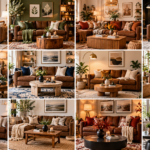
The right rug can make a dining room feel warmer, more comfortable, and beautifully pulled together. It can define the dining area, add color and texture, protect your flooring, and even make everyday messes easier to manage. These dining room rug ideas include stylish options for every home, from washable and easy-to-clean rugs to natural textures and bold statement patterns.
1. Choose an Easy-to-Clean Flatweave Rug
This article contains affiliate links. As an Amazon Associate, I may earn from qualifying purchases at no extra cost to you.

A flatweave rug is one of the most practical choices for a busy dining room. Its low profile allows chairs to move more easily, while the flatter surface is generally easier to clean than a thick, high-pile rug.
A geometric pattern can also add interest without overwhelming the room. Neutral shades, charcoal, or mixed patterns are especially useful for helping disguise everyday crumbs and small marks.
For a practical everyday setup, look for a durable low-pile rug that extends comfortably beyond the dining chairs.
2. Make Life Easier With a Machine Washable Rug
A machine washable rug can be a great choice for families, pet owners, or anyone who wants an easier-to-maintain dining space. Spills are almost inevitable around a dining table, so choosing a rug designed for regular cleaning can make a big difference.
Washable bohemian print rugs are especially popular because their detailed patterns add personality while helping hide small stains.
Choose a design with several complementary colors rather than a very light solid surface if you want a more forgiving option for everyday use.

3. Add Natural Texture With a Jute Rug
A natural jute rug brings warmth and earthy texture into a dining room. It works beautifully with wood tables, woven chairs, farmhouse furniture, and relaxed neutral interiors.
Because jute has a simple, organic appearance, it can also provide a quiet foundation for a more decorative dining table or statement lighting.
A durable natural-fiber rug is particularly effective when you want to add texture without introducing another bold color into the room.

4. Try a Distressed Vintage-Style Rug
A distressed vintage-style rug can make a dining room feel collected and inviting. Faded patterns and muted colors work well with traditional, rustic, eclectic, and transitional interiors.
Another advantage is that detailed vintage-style patterns can be more forgiving when it comes to everyday marks and small spills.
Look for a low-pile design so chairs can move smoothly across the surface without catching on a thick texture.

5. Use an Oversized Round Rug With a Circular Table
A round rug is a natural match for a circular dining table. Matching the rug shape to the table can make the layout feel balanced and intentional.
The most important detail is size. The rug should be large enough for dining chairs to remain on it when people pull them away from the table.
An oversized round rug can also soften a room filled with straight lines and rectangular furniture.

6. Choose a Durable Indoor-Outdoor Rug
An indoor-outdoor rug can be a practical option for a dining room that gets heavy use. These rugs are often designed to handle regular cleaning and can work particularly well near patios, entryways, or casual family dining areas.
A charcoal gray diamond weave or another darker pattern can add style while helping disguise everyday messes.
This type of rug is also a useful choice if you want a low-maintenance dining room floor without sacrificing texture or pattern.
7. Layer Rugs for a Collected Look
Layered rugs can add depth and personality to a larger dining room. Start with a large natural sisal base rug, then place a smaller patterned rug over the center.
The neutral base creates texture while the top layer adds color or pattern. This approach works best when the room has enough floor space to prevent the layered look from feeling crowded.
Keep the larger rug simple and let the smaller rug provide most of the visual interest.

8. Make a Statement With Black and White Stripes
A bold black and white striped rug can become the focal point of a simple dining room. The strong contrast works especially well with modern furniture, clean lines, and neutral walls.
Because the pattern already makes a statement, keep surrounding decor relatively simple. A wood dining table, upholstered chairs, and understated lighting can help balance the bold design.
A low-profile striped rug is a practical choice when chairs need to move easily during meals.
9. Keep Things Calm With a Tonal Neutral Rug
A subtle tonal texture rug is ideal for a dining room where you want texture without a strong pattern. Beige-on-beige high-low pile rugs can add depth while keeping the overall space calm and elegant.
This look works particularly well in modern, minimalist, and neutral interiors.
Choose a design with enough texture to create interest but a relatively smooth surface that still allows dining chairs to move comfortably.

10. Add Personality With an Abstract Pattern Rug
An abstract rug can bring movement and artistic character into a dining room. Ink blot designs, swirling blue and gray patterns, and modern geometric artwork-inspired rugs all work well in contemporary spaces.
Abstract designs are especially useful when the rest of the room is simple because they can become the main decorative feature.
Choose colors that connect with other elements in the room, such as artwork, curtains, cushions, or dining chairs, for a more cohesive look.
11. Bring in Color With a Sage Green Floral Rug
A traditional sage green floral pattern rug adds color while keeping a dining room relaxed and sophisticated. Sage green pairs beautifully with natural wood, cream walls, brass accents, and vintage-inspired furniture.
A detailed floral pattern can also make the dining area feel warmer and more decorative without requiring many additional accessories.
Muted green tones are versatile enough to work with seasonal decor changes throughout the year.

12. Create a Moody Look With Deep Navy
A deep navy rug can give a dining room a rich and dramatic foundation. Dark colors create depth and can make lighter furniture, cream walls, and natural wood finishes stand out beautifully.
Navy works especially well with brass lighting and warm-toned wood.
If you are concerned about visible marks, consider a patterned navy rug rather than a completely solid design. The variation in color can make everyday use a little more forgiving.

13. Add Pattern With a Moroccan Trellis Rug
A Moroccan trellis rug is an easy way to introduce pattern without making the room feel overly busy. Gray and white trellis designs work well with modern, transitional, farmhouse, and casual interiors.
The repeated pattern creates structure while still allowing the dining table and chairs to remain visually important.
For everyday comfort, choose a lower-profile design and add a quality rug pad underneath if additional cushioning is needed.

14. Try a Casual Braided Cotton Rug
A braided cotton rug can bring relaxed charm to a dining room. Its casual texture works beautifully with wood furniture, painted tables, farmhouse decor, and comfortable family spaces.
Braided designs are available in many colors and patterns, making it easier to coordinate the rug with your existing decor.
A rug pad can be especially helpful underneath a lighter braided rug to improve stability and provide a little extra cushioning.

15. Brighten the Room With a Colorful Geometric Rug
A multi-colored geometric block rug can add energy to a simple dining room. This option works particularly well when the walls, table, and chairs are mostly neutral.
For a stronger statement, consider vibrant red, turquoise and gold medallion patterns, or colorful geometric designs. If you prefer something softer, a muted blush pink rug can bring gentle color into the space.
Choose one or two shades from the rug and repeat them through small decorative details to help the room feel connected.

What Size Rug Should You Use Under a Dining Table?
Dining table rug placement is just as important as choosing the right color or pattern. The rug should extend far enough beyond the table so that dining chairs remain completely on the rug when pulled back.
Before buying, measure:
- The width and length of your dining table
- How far chairs move when pulled out
- The available floor space around the dining area
- Nearby furniture, doors, and walkways
A rug that is too small can make the dining area feel disconnected. A generously sized rug usually creates a more balanced and comfortable layout.
How to Choose the Best Rugs Under a Dining Table
The best rugs under a dining table combine style with practical features that suit everyday life.
Consider these factors before choosing one:
- Low pile: Makes chair movement easier.
- Easy cleaning: Helpful for everyday meals and spills.
- Patterns: Can help hide small marks and crumbs.
- Durable materials: Important in frequently used spaces.
- Washable designs: Useful for busy households.
- Indoor-outdoor materials: A practical choice for high-traffic areas.
- Rug pads: Help improve stability and protect flooring.
- Correct size: Allows chairs to stay on the rug when pulled back.
Final Thoughts
The best dining room rug depends on how you use your space. A machine washable rug may be perfect for a busy family home, while a natural jute rug can add beautiful texture to a relaxed dining area. For a bold look, patterned, striped, abstract, or colorful rugs can become the focal point of the room.
These dining room rug ideas show that the right choice can do more than decorate the floor. A well-sized rug can define the dining area, make the room feel warmer, and bring your table, chairs, and decor together into one inviting space. Choose a style that fits your home, your lifestyle, and the amount of maintenance you are comfortable with.