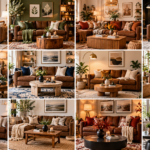
A maximalist living room is all about embracing color, pattern, texture, and personality. Instead of keeping decor simple, this style celebrates layered artwork, bold furniture, collected accessories, dramatic lighting, and meaningful details. The key is finding balance so the room feels cozy and expressive rather than cluttered. These maximalist living room ideas will inspire a bold and beautiful home.
1. Build a Gallery Wall That Tells a Story
This article contains affiliate links. As an Amazon Associate, I may earn from qualifying purchases at no extra cost to you.

A large gallery wall is one of the easiest ways to give a maximalist living room an instant sense of personality. Instead of buying a matching set of prints, mix family photographs, paintings, botanical art, travel finds, vintage frames, and even small decorative mirrors.
Try arranging the collection around one larger artwork placed slightly off-center. This often creates a more relaxed, collected appearance than a perfectly symmetrical layout.
Design idea: Repeat one or two frame colors throughout the arrangement so the wall feels connected even when the artwork styles are completely different.
2. Create a Rich Jewel-Tone Color Palette
Deep emerald, sapphire blue, ruby red, plum, and mustard can make a living room feel dramatic and luxurious. You don’t need to use every bold color at once. Choose two main colors and introduce a third shade through smaller accents.
For example, an emerald sofa can be paired with burgundy pillows, a patterned rug, and warm brass lighting. A few neutral pieces will give the stronger colors space to stand out.

A simple rule: If a bold color appears in one part of the room, repeat it somewhere else. A cushion color might appear again in artwork or a lampshade, helping the entire room feel intentional.
3. Mix Old and New Furniture
Some of the most interesting maximalist interiors look as though they developed over many years. Pair a clean-lined modern sofa with an antique wooden coffee table, or place a vintage cabinet beside a contemporary floor lamp.
The contrast between different periods gives the room character. A perfectly matched furniture set can sometimes make a colorful room feel more like a showroom than a personal home.

What makes it work: Try repeating one material across different furniture pieces. For example, warm wood tones can connect a vintage table with a newer bookcase.
4. Turn One Wall Into a Major Focal Point
Bold wallpaper can completely change the mood of a living room. Large florals create a romantic look, while geometric prints can feel playful and energetic. Botanical designs, murals, and dark moody patterns also work beautifully in colorful interiors.
If covering the entire room feels overwhelming, start with the wall behind the sofa or another naturally important area.

Before choosing a pattern: Look at the colors already present in your furniture. Selecting wallpaper that repeats one or two existing shades can make even a very bold room feel surprisingly cohesive.
5. Make Texture Part of the Decoration
A colorful room can still feel flat if every surface has the same finish. Maximalist home decor becomes more interesting when you combine materials with different visual and tactile qualities.
Think velvet cushions beside a woven throw, a smooth ceramic vase on a rough wooden table, or a brass lamp placed near linen curtains.
Instead of counting colors, look around the room and ask whether you have a variety of surfaces.
Consider adding:
- Velvet pillows
- Chunky knit throws
- Woven baskets
- Ceramic vases
- Brass candle holders
- Wood furniture
- Patterned fabrics
The goal is not to add texture everywhere. A few contrasting materials can make the whole room feel richer.

6. Style Bookshelves Like Miniature Rooms
A maximalist bookshelf can be more than storage. Treat each shelf as a small decorating opportunity by combining books with framed photographs, ceramics, candles, plants, sculptures, and personal objects.
Try changing the direction of your books. Some can stand vertically while others are stacked horizontally with a small object placed on top.

One useful approach is to step back after decorating and remove one or two items from the busiest shelves. Maximalism still needs visual breathing room.
7. Choose Lighting With Personality
In a maximalist living room, lighting should do more than simply brighten the space. A sculptural floor lamp, vintage-inspired table lamp, colorful pendant light, or dramatic chandelier can become a decorative feature even when switched off.
Layering different types of lighting also makes the room more comfortable throughout the day.
You might combine:
- Overhead lighting for the whole room
- A floor lamp near a reading chair
- Table lamps for warmth
- Decorative wall lights for atmosphere

A room filled with bold decor often looks especially inviting when the lighting is warm and placed at different heights.
8. Use Plants to Break Up Busy Decor
Plants are particularly useful in a maximalist living room because they introduce natural shapes among furniture, artwork, and patterns. A tall plant can soften an empty corner, while smaller plants can add life to shelves and tables.
Instead of placing identical plants throughout the room, vary the height and shape of your greenery.
For example, try one tall floor plant, a trailing plant on a shelf, and a small tabletop plant near a window.

Natural greenery can also provide a visual pause between colorful patterns and busy collections.
9. Layer Rugs to Define the Seating Area
Layered rugs are an easy way to add pattern without making permanent changes to the room. Start with a larger neutral rug, then place a smaller vintage-style, colorful, or patterned rug on top.
This technique works especially well in large living rooms where the seating area needs stronger definition.
A faded Persian-style rug layered over a simple jute or neutral rug can create a collected look with plenty of texture.

Quick decorating check: Make sure the rugs share at least one color or visual element. Without a connection, the layers can look random instead of intentional.
10. Put Personal Collections on Display
Maximalism is a great decorating style for people who enjoy collecting things. Instead of hiding interesting objects in cabinets, create small displays using items that tell a story.
Travel souvenirs, vintage cameras, ceramics, records, handmade pottery, books, and family heirlooms can all become part of the decor.
Group similar objects together for greater visual impact. A collection of small items often looks stronger when displayed on one shelf or tray rather than scattered around the room.
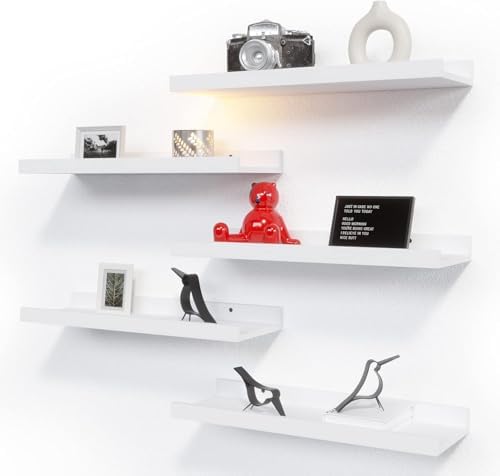
A personal collection can make a maximalist space feel genuinely unique because it cannot be easily copied from a furniture catalog.
11. Add Floor-to-Ceiling Curtains
Dramatic curtains can make an ordinary living room feel larger and more luxurious. In a maximalist space, they also provide another opportunity to introduce color, texture, or pattern.
Velvet curtains create a rich and dramatic look, while patterned linen or printed fabric can bring more personality to a neutral room.
For a stronger visual effect, install the curtain rod higher than the top of the window and extend it slightly beyond the window frame.

Even a bold room can benefit from curtains that repeat one subtle color found elsewhere in the decor.
12. Create a Coffee Table With Layers and Personality
A coffee table is often the center of a living room, making it a natural place to add another layer of maximalist style. Combine useful and decorative items instead of filling the surface with random accessories.
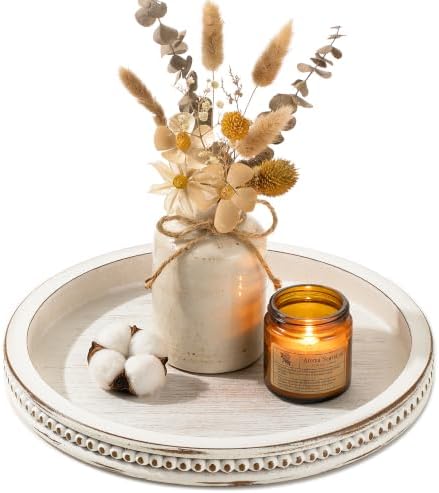
Start with a tray or stack of books, then add objects with different heights. A candle, small vase, decorative bowl, or unusual sculpture can complete the arrangement.
Leave some open space for everyday use. A maximalist coffee table should still have room for a cup of coffee.
FAQ About Maximalist Living Room Decor
What is maximalist living room decor?
Maximalist living room decor is a style that embraces color, pattern, texture, artwork, decorative collections, and personal expression. The best maximalist spaces are layered with intention rather than filled with random clutter.
How can I decorate a maximalist living room without making it look messy?
Choose a loose color palette, repeat key colors throughout the room, group similar objects together, and leave occasional areas of visual rest. Editing a display after decorating can also help the space feel more balanced.
Can a small living room have a maximalist style?
Yes. A small living room can use bold wallpaper, colorful furniture, dramatic artwork, and layered decor. Focus on vertical space and keep important walkways clear.
What colors work well in a colorful maximalist living room?
Jewel tones, deep blues, forest green, burgundy, mustard, plum, terracotta, and warm neutrals can all work well. Choose colors you enjoy and repeat them throughout the room.
Is maximalist home decor expensive?
It doesn’t have to be. Thrifted furniture, vintage finds, family pieces, DIY projects, affordable art prints, and gradually collected accessories can create an authentic and personal look.
How do I start decorating in a maximalist style?
Start with one area, such as a gallery wall, bookshelf, rug, or colorful sofa. Build gradually instead of buying everything at once. This gives you time to discover which colors, patterns, and objects work best together.
Closing
The best maximalist living rooms don’t follow a strict formula. They combine favorite colors, meaningful objects, interesting furniture, and unexpected details to create a home with real personality.
Start with one idea that excites you, whether it’s a bold gallery wall, colorful rug, dramatic wallpaper, or a collection you’ve always wanted to display. Add layers gradually and pay attention to how the room feels as you go.
A successful maximalist space should feel rich and expressive, but it should also remain comfortable enough to enjoy every day. Let your living room reflect your experiences, interests, and personal style—and don’t be afraid to make it a little more colorful along the way.