A nature-inspired living room brings warmth, texture, and a sense of calm into your home. Natural wood, earthy colors, organic materials, greenery, and woven textures can work together to create a relaxed and welcoming atmosphere. From simple plants and ceramic decor to linen fabrics and natural furniture, these ideas offer inspiration for bringing the beauty of nature indoors.
1. Start With Greenery That Changes the Whole Room
This article may contain affiliate links. As an Amazon Associate, I may earn from qualifying purchases at no extra cost to you

Plants are one of the simplest ways to make a living room feel more connected to the outdoors.
A large indoor plant can fill an empty corner, while smaller plants can soften shelves, side tables, or window areas. A fiddle leaf fig can create a bold focal point with its tall form and large leaves.
Choose real plants if you enjoy caring for them, or consider a realistic artificial version if you want greenery without regular maintenance.
2. Make Your Windows Feel Light and Relaxed
The way you dress your windows can influence the entire atmosphere of the room.
Instead of heavy fabrics, try linen curtains in cream, beige, warm white, or muted green. Their softer appearance allows natural light to remain part of the room while adding texture around the windows.
Linen-look curtain panels can also work well with wood furniture, woven materials, and neutral decor.

3. Add an Interesting Shape to the Furniture
A room filled only with straight lines can sometimes feel a little rigid.
Introducing furniture with softer forms can create a more relaxed appearance. A rounded sofa, circular ottoman, or curved accent chair can add visual movement and balance.
You do not need to replace every piece. One curved item may be enough to soften the overall design.

4. Use Natural Wood as a Visual Anchor
Wood can give a living room an immediate feeling of warmth.
A natural wood coffee table is an easy place to start because it often sits at the center of the seating area. Visible grain, warm tones, and simple finishes can make the furniture feel connected to natural surroundings.
For a more distinctive look, a live-edge coffee table can introduce an organic shape inspired by the original form of the wood.

5. Mix in Woven Materials
Woven pieces can introduce texture without making the room feel overly decorated.
Consider bamboo, rattan, or other woven materials for lighting, baskets, side furniture, or decorative accessories. A woven pendant can become a subtle statement piece while adding warmth to a modern living room.
Natural fibers also pair beautifully with linen, wood, and soft neutral colors.

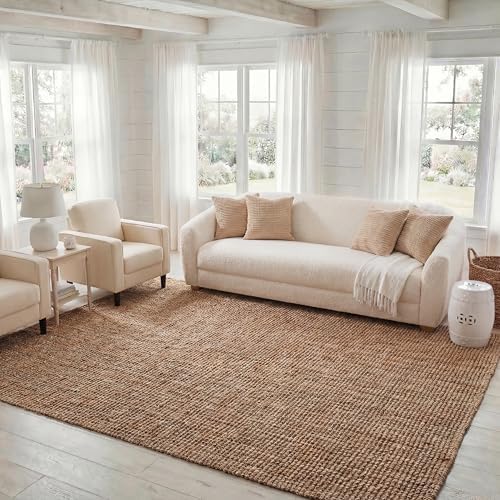
6. Ground the Seating Area With Jute
A jute area rug can add texture from the floor up.
Its natural woven surface works well beneath a sofa and coffee table and can help define the main seating area. Jute also combines easily with wood, stone, greenery, and many different furniture styles.
If you prefer a softer feel, layer another rug over the jute base.
7. Give the Walls a More Natural Finish
Paint does not always have to create a perfectly smooth surface.
A limewash or limewash-style treatment can add subtle variation and depth to the walls. Depending on the color and application, the finish may create a softer appearance than standard flat paint.
Clay-inspired shades, warm neutrals, gentle greens, and other earthy colors can work especially well in a nature-inspired space.

8. Display Branches Instead of Traditional Flowers
A simple arrangement of eucalyptus and olive branches can create a relaxed, natural focal point.
Place fresh, dried, or artificial stems inside a vase on a console, coffee table, or open shelf. Their loose shapes can add height and visual interest without requiring a large floral arrangement.
This type of decor is also easy to change with the seasons.
9. Bring In the Texture of Handmade Ceramics
Ceramic pieces can make a room feel warmer and more personal.
Look for handmade-style ceramic vases with matte surfaces, uneven shapes, or earthy finishes. A single larger vase can work beautifully on its own, while a small group can add interest to a shelf.
They can remain empty or be filled with greenery, dried stems, or branches.

10. Add a Small Element Inspired by Water
A quiet corner can sometimes benefit from a feature that feels different from the usual furniture or decor.
An indoor tabletop water fountain can introduce gentle movement and become an interesting detail on a console or side table. Stone-inspired designs and neutral finishes usually blend more naturally with a nature-focused room.
Choose a size that complements the space rather than overwhelming it.

11. Combine Soft Fabrics for a More Comfortable Look
Natural materials do not have to be hard or rough.
Cotton, linen, woven fabrics, and knitted materials can make a sofa feel more inviting. Add a throw across one arm of the sofa or layer a few cushions with different textures.
A chunky knit blanket can provide contrast against smoother upholstery while contributing to the relaxed look of a calm and cozy home.

12. Use Stone Accents in Smaller Ways
You do not need a stone wall or fireplace to include this material.
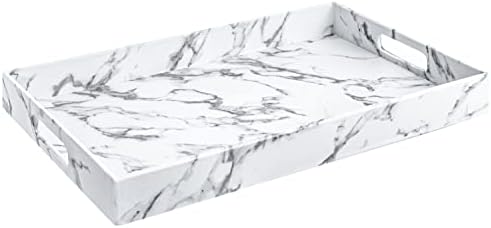
Small stone accents can bring a different type of natural texture into the room. A marble decorative tray, for example, can hold candles, books, or other small objects on a coffee table or ottoman.
The smooth surface of marble can create a pleasing contrast beside jute, linen, wood, or woven decor.
13. Add Botanical Details to the Walls
Artwork can bring natural subjects into the room without adding more furniture or accessories.
Botanical wall art featuring leaves, ferns, branches, or other plant-inspired designs can create a simple connection to the outdoors. Choose muted tones for a softer look or deeper greens when you want more contrast.
A small group of coordinated prints can work as a feature without covering every wall.
14. Choose One Piece of Furniture With History and Character
A room can feel more interesting when everything does not look newly purchased at the same time.
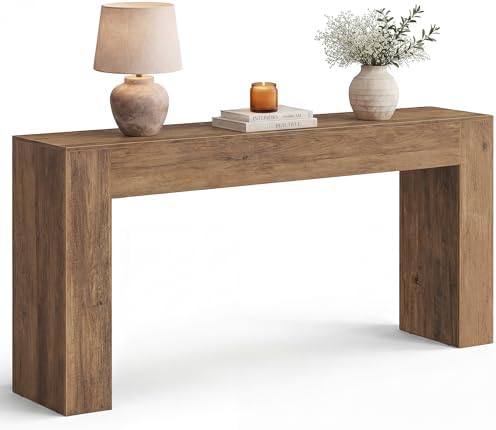
Reclaimed wood furniture or pieces with a weathered appearance can add warmth and visual depth. A reclaimed-style console table, shelving unit, media cabinet, or side table can provide useful storage while contributing to the overall decor.
Mixing one aged-looking wood piece with modern seating can create an appealing balance.
15. Repeat a Few Natural Materials Throughout the Room
The easiest way to create a cohesive nature-inspired living room is to repeat a few materials instead of introducing too many different ones.
You might combine:
- Natural wood
- Jute
- Linen
- Stone
- Bamboo
- Rattan
- Ceramic
- Greenery
For example, a jute area rug, natural wood coffee table, linen curtains, and a bamboo pendant can already create a strong natural foundation.
Then you can add smaller touches such as ceramic vases, botanical wall art, stone accents, or a few indoor plants.
The result does not need to look perfectly coordinated. A little variety can make the room feel more relaxed and natural.
A Nature-Inspired Home Can Start With One Simple Change
The best nature-inspired living room decor ideas do not require you to redesign the entire space at once.
You might begin with a tall indoor plant, soften the room with linen curtains, add warmth with a live-edge coffee table, or introduce more texture through a jute area rug.
As you add natural materials, organic textures, greenery, earthy colors, bamboo, rattan, ceramic, stone, and soft fabrics, the room can gradually develop its own personality.
Choose the ideas that work with your home and lifestyle. A calm and inviting living room is not created by following every decorating trend—it comes from building a space that feels comfortable, useful, and enjoyable to spend time in.